Market Analysis
Tampa, FL Housing Market 2026: Prices, Trends and Forecast After the Storm Reset
Tampa, FL housing market 2026: where prices stand after the storms, what insurance and condos cost now, and the forecast for the rest of the year.
Tampa, FL Housing Market 2026: Prices, Trends and Forecast After the Storm Reset
Tampa spent the first half of this decade as one of the fastest appreciating housing markets in the country, and it has spent the last two years handing a small piece of that back. Homes that drew ten offers over a weekend in 2021 now sit for a month or more, price cuts are ordinary, and sellers have relearned what a negotiation feels like.
Water shapes the Tampa, FL housing market in 2026 more than mortgage rates do. The 2024 storm season, when Helene's surge and then Milton moved through Tampa Bay within weeks of each other, still decides which houses sell quickly, what insurance costs, and which streets buyers cross off their lists.
People keep moving here anyway. The job base across finance, healthcare, the port, and MacDill has held up, Florida still has no state income tax, and a budget that gets squeezed out of Miami or the Northeast goes a lot further on this coast.
The Price Picture in 2026
A typical home across the Tampa metro trades somewhere in the mid to high $300,000s, though that single number hides enormous spread. South Tampa neighborhoods like Hyde Park and Palma Ceia routinely clear $700,000, while new construction in Riverview or Wesley Chapel still starts in the low $300,000s.
The direction of prices has been sideways to slightly down since the peak. Most quarters bring small dips or small recoveries rather than a clean trend, and a seller's outcome depends far more on street, elevation, and condition than on the month they list.
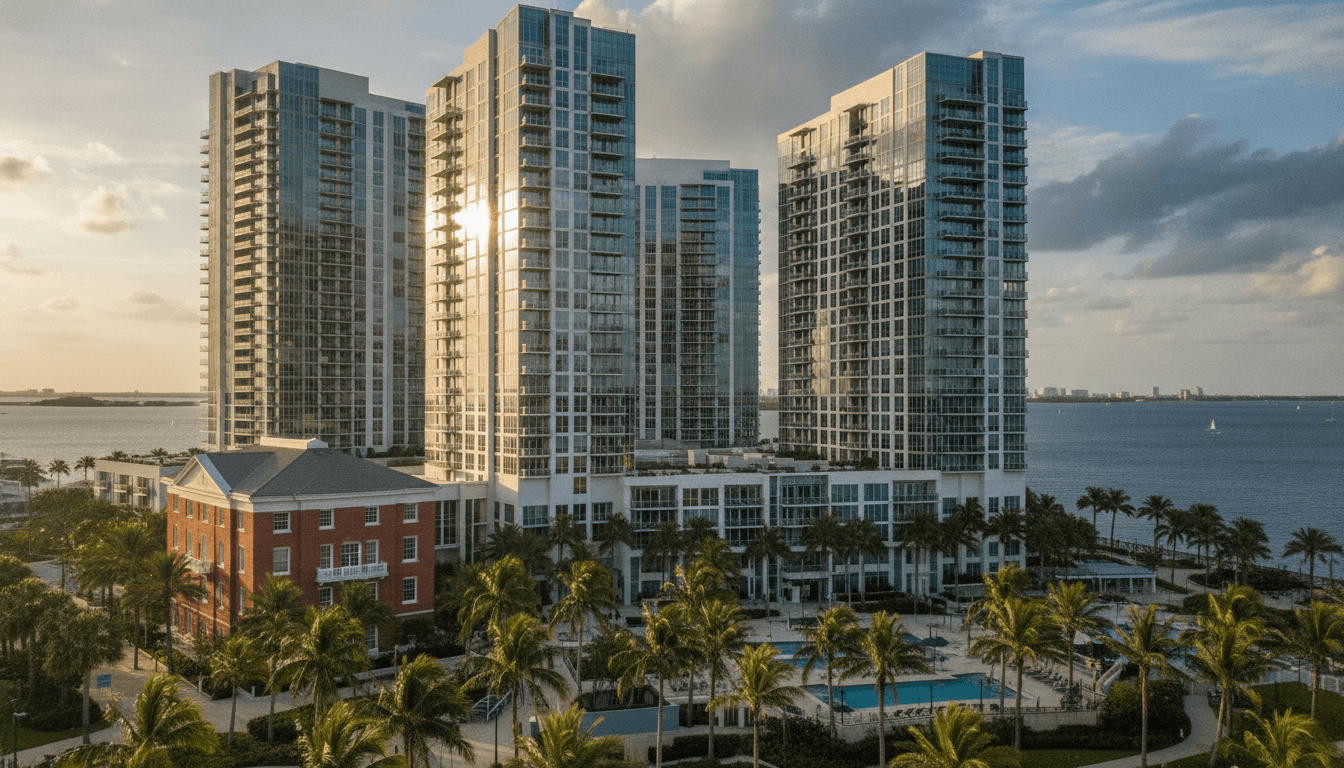
Condos are the exception, and not in a good way. Older units, especially near the water, have lost real value over the past two years for reasons covered further down, and averaging them in with single-family sales makes the whole market look weaker than the detached side has been.
The 2024 Storms Are Still in the Market
Helene pushed record surge into waterfront neighborhoods from Davis Islands to Shore Acres in St. Petersburg, and Milton followed with wind and rain across the whole metro. More than a year later, that pair of storms still sets the tone. Remediated flips, as-is listings sold near land value, and elevated new builds now sit side by side on the same flooded blocks.
Buyers responded by repricing risk street by street. A dry house two blocks uphill from a flooded one can command a premium that did not exist three years ago, and listings in surge zones take longer to sell even when the home itself never took water.
Anyone shopping a previously flooded property should understand the federal substantial damage rule. When repairs to a home in a designated flood zone exceed 50% of its value, the structure must be brought up to current elevation code, which is why so many gutted block homes near the bay are being replaced with houses on stilts rather than repaired.
Flood Zones and What to Check Before You Offer
Flood risk in Tampa does not follow price. Some of the most expensive streets in South Tampa sit in zone AE, while plenty of modest neighborhoods in Seminole Heights, Temple Terrace, and central Pasco County sit high and dry. The flood map, the elevation certificate, and the property's claim history matter more here than in almost any other big metro.
Florida law now helps buyers on this front. Since October 2024, sellers must disclose flooding and flood insurance claims on the property, so ask for that disclosure early and read it against the FEMA map rather than taking a listing description's word for it.
Reading the Zone on a Listing
Zone X means the lender will not require flood coverage, though Helene flooded plenty of zone X homes, so treat the map as a floor rather than a verdict. Zones AE and VE mean mandatory coverage with a mortgage and stricter rebuilding rules after damage.
Pull the elevation certificate whenever one exists. A house sitting a few feet above base flood elevation can carry a flood premium hundreds of dollars a month cheaper than a nearly identical one below it.
What Flood Coverage Runs
Flood insurance is a separate policy from homeowners coverage, and in Tampa's surge zones it commonly runs from under $1,000 a year for elevated homes to several thousand for older slab houses near the water. Quotes vary widely between the federal program and private carriers, so price both.
Get the flood quote during your inspection period, at the same time as the homeowners quote. Plenty of Tampa deals die in week three because the combined insurance bill made the payment unworkable.
Homeowners Insurance Is the Second Negotiation
Florida premiums are among the highest in the country, and Tampa carries the full weight of that. A typical policy on a mid-priced home commonly lands between $3,000 and $6,000 a year, with roof age, distance from the coast, and construction type driving the spread. That range is an estimate, and individual quotes swing far outside it in both directions.
The trajectory has improved. The legal reforms passed in 2022 and 2023 pulled new carriers into the state, rate filings flattened out through last year, and some homeowners saw their first flat renewal in five years. Nobody should call it cheap, but the panic pricing of a few years ago has eased.
Roof age decides more deals than buyers expect. Many carriers balk at shingle roofs past 15 years, and a wind mitigation inspection documenting hurricane straps and a newer roof can cut a premium by a third. On older homes, budget for the four-point inspection a carrier will demand before binding.
Condos Are Working Through the New Rules
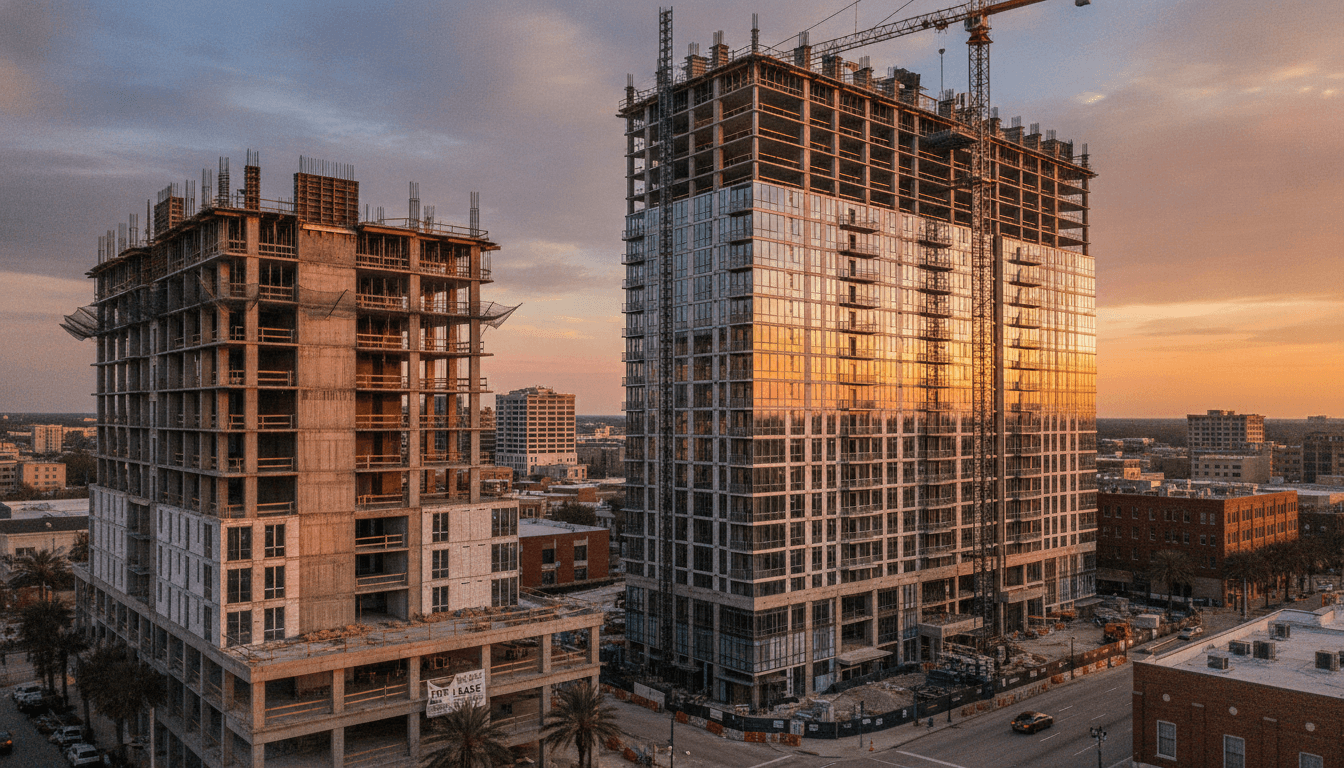
The condo correction is the sharpest trend in the metro. After Surfside, Florida required milestone structural inspections for buildings three stories and taller once they reach 30 years, along with reserve studies that associations must now fund instead of waiving. The bills for decades of deferred maintenance are arriving as special assessments, and some older coastal buildings have levied five-figure charges per unit.
Prices followed the assessments down. Older units near the water have seen the steepest declines in the region, while newer buildings with clean inspections and funded reserves have held up far better.
For a buyer, the homework is the deal. Read the milestone inspection report, the reserve study, the budget, and two years of meeting minutes before spending inspection money, and ask directly whether any assessment has been discussed. A cheap unit in a building with an unfunded repair list is not cheap.
Where Buyers Are Looking Around the Bay
South Tampa remains the prestige address, with walkable streets, top resale demand, and the metro's most expensive flood math all bundled together. Seminole Heights and the neighborhoods around it draw buyers who want a bungalow and a shorter drive downtown at a friendlier price, often on higher ground.
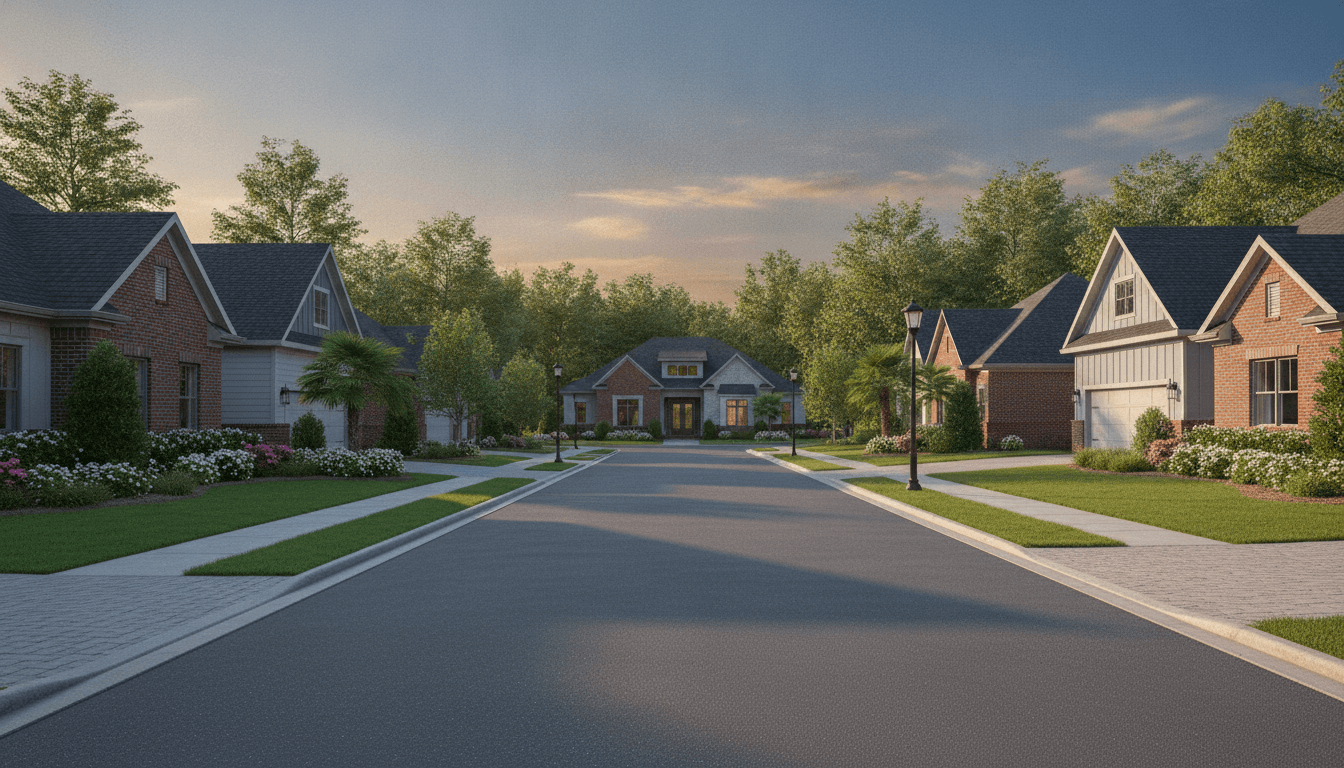
The suburban growth engine runs east and north. Riverview, Brandon, and Apollo Beach in Hillsborough County, plus Wesley Chapel and Land O' Lakes in Pasco, keep producing new construction with builder rate buydowns attached. Check the tax bill on any new community for a CDD fee, the special district charge that repays the developer's infrastructure bonds and can add a couple thousand dollars a year for decades.
Across the bay, St. Petersburg and Clearwater run on their own rhythm, with a downtown condo scene, beach towns still rebuilding from the storms, and inland neighborhoods like Kenneth City and Pinellas Park offering some of the region's last entry-level pricing.
The Forecast Through the End of 2026
The likeliest path for the rest of the year is a flat market with a slow grind of activity underneath it. Inventory stays above the levels of the boom years, well-priced dry-lot homes keep selling in a few weeks, and surge-zone and older condo listings keep taking the discounts. Population growth has slowed from the 2021 firehose but has not stopped, which puts a floor under the detached market.
Two variables could move that forecast. A meaningful drop in mortgage rates would pull sidelined buyers back fast, since payment math is what is holding most of them out, and another bad storm season would do the opposite for everything near the water. Insurance is the quiet swing factor, because two more years of flat renewals would repair buyer confidence in a way no price cut can.
Tampa's setup is unusual enough that comparing it to other metros helps, and you can see how similar resets are playing out in the other metro housing breakdowns we publish. Storms and insurance are repricing coastal markets across the country, and the same forces show up in metro after metro.
How to Approach This Market
Buyers here should underwrite the full monthly cost before touring, with homeowners insurance, flood coverage, taxes, and any CDD or association fee in the spreadsheet. Two Tampa homes at the same list price can differ by $800 a month once those lines are filled in, and the cheaper sticker is not always the cheaper house.
Use the leverage the market is handing you. Repair credits, rate buydowns, and closing cost help are all normal asks in 2026, and a seller whose listing has sat for 45 days will hear you out.
Sellers should price to the last 90 days of nearby sales and put the insurance story in the listing. A newer roof, a wind mitigation report, an elevation certificate, and a clean claims history are selling points worth more than staging in this metro, so lead with them.
Frequently Asked Questions
Are Tampa home prices falling in 2026?
Single-family prices have moved sideways with small dips rather than falling hard, while older condos and storm-affected waterfront homes have taken real losses. Blended averages mix those segments together, which makes the overall market look weaker than the typical dry-lot house has been.
Is Tampa a buyer's market right now?
For most of the metro, yes. Inventory is elevated, days on market have stretched, and concessions like repair credits and rate buydowns are routine, though well-priced homes on high ground in South Tampa and Seminole Heights can still draw competing offers.
How much does home insurance cost in Tampa?
Most mid-priced homes see quotes between roughly $3,000 and $6,000 a year, before any separate flood policy. A newer roof and a wind mitigation inspection are the two fastest ways to land at the bottom of that range.
Should I buy a house that flooded during Helene or Milton?
It can work if the remediation is documented and the price reflects the risk, but demand proof, permits, and a mold inspection rather than a flip's fresh paint. Factor in the flood premium and the chance that the substantial damage rule limits future repairs before you commit.
What is a CDD fee on a new construction home?
It is a Community Development District charge that repays bonds the developer issued for roads, utilities, and amenities, and it appears on your property tax bill. In newer communities like Wesley Chapel it often adds $1,000 to $3,000 a year, so compare total carrying cost, and never list price alone, against resale homes nearby.