Market Analysis
Orlando, FL Housing Market 2026: Prices, Trends & Forecast for a Market in Standoff
Orlando, FL housing market 2026: prices near the high $300Ks and holding, condos sliding, builders dealing, and insurance rewriting affordability math.
Orlando, FL Housing Market 2026: Prices, Trends & Forecast for a Market in Standoff
Orlando spent the first half of the 2020s as one of America's boomtowns, and 2026 finds it in something closer to a standoff. Sellers remember 2022 prices, buyers can finally see plenty of inventory, and the two sides meet somewhere in the middle after 50 days on market and a round of concessions.
The Orlando, FL housing market in 2026 is not falling apart, and it is not running either. Metro sale prices sit within a few percent of where they stood a year ago, hovering in the high $300,000s for the typical home, while the mix underneath tells two stories: single-family homes holding value with modest movement, and condos working through a genuinely rough stretch.
What makes Orlando worth watching this year is not price direction, it is the collision of forces underneath. Population growth keeps arriving, builders keep delivering, and the carrying costs of Florida ownership, insurance above all, keep rewriting what buyers can afford to bid.
The Price Picture in Early 2026
The typical Orlando metro home trades in the high $300,000s, roughly flat to slightly down year over year depending on the month and submarket. That headline number hides a wide spread, with renovated homes near the urban core commanding well over $500,000 while parts of Osceola County still transact in the low $300,000s.
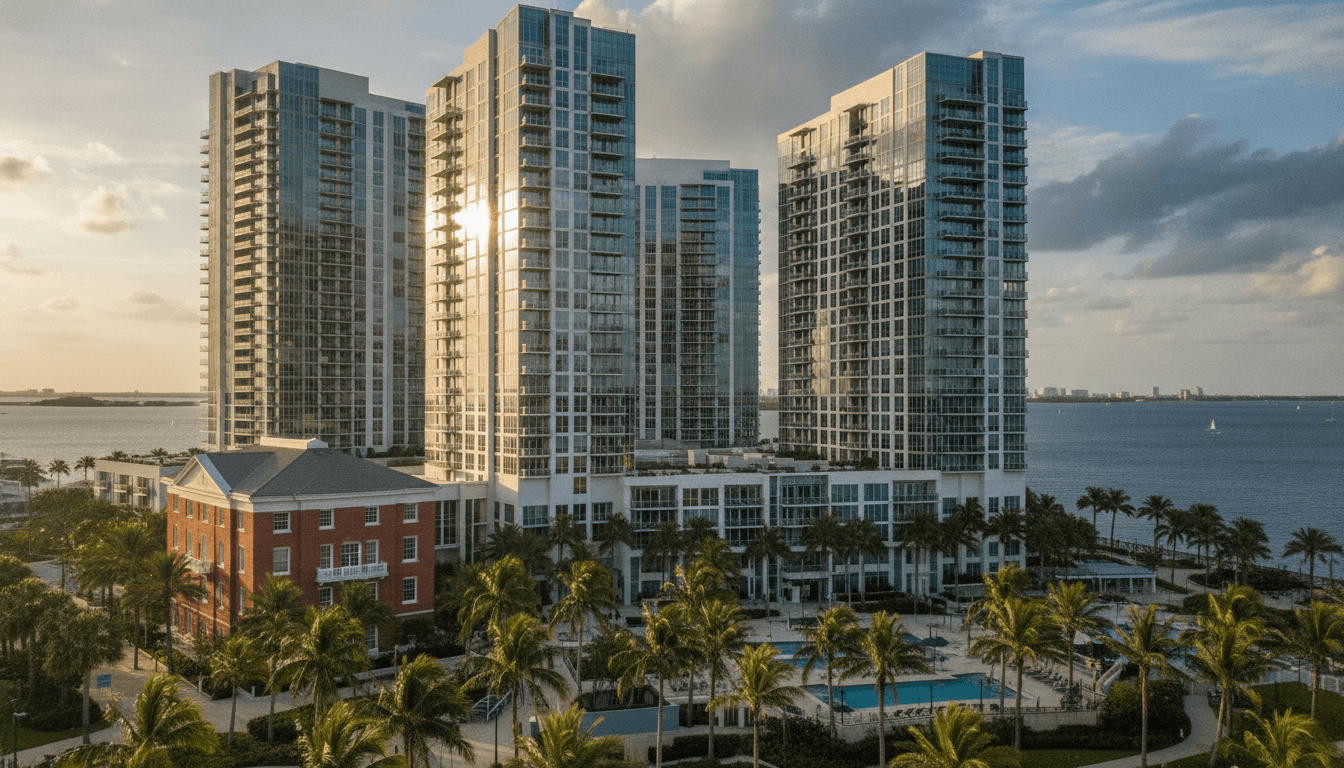
Condos are the weak flank. Rising association fees, insurance pass-throughs, and structural reserve requirements have thinned the buyer pool, and Orlando condo prices have given back more ground than any other segment, with older buildings and resort-area units hit hardest.
Days on market have settled around 50 to 60 for reasonably priced listings, a world away from the weekend bidding wars of the boom. Price cuts appear on a large share of active listings, which reads less like distress and more like sellers discovering the market's actual level one reduction at a time.
Why It Cooled Without Crashing
Demand did not vanish, it got priced. Mortgage rates easing into the low 6s helped affordability at the margin, but the combination of 2020s price appreciation and Florida's carrying costs still prices out a large slice of would-be buyers, and the ones remaining negotiate like they know it.
The floor under the market is population and payroll. Central Florida keeps adding residents and jobs, with the theme parks expanding, the medical and simulation clusters growing, and Lake Nona's health and tech campus pulling in employers, and every one of those payrolls needs housing within commuting distance.
Inventory explains the rest. Active listings across the metro sit at their highest levels in years, giving buyers real choice for the first time in a decade, and choice is what converts frantic offers into Tuesday-afternoon negotiations.
Insurance and Carrying Costs Are the Real Story
Ask Orlando agents what kills deals in 2026 and the answer is rarely the list price. Homeowners insurance quotes that run double the national norm reshape monthly payment math on every contract, and buyers now shop policies during the inspection period the way they once shopped lenders.
The pain is uneven in ways that shape search behavior. Newer roofs and newer construction quote dramatically better than aging roofs, which quietly boosts new builds and renovated listings while older homes eat price adjustments to compensate.
Condo and HOA economics stack on top. Post-2021 reserve and inspection rules pushed association fees and special assessments up across Florida, and an Orlando condo with a $650 monthly fee has to be meaningfully cheaper than the townhome alternative before the payment math works.
None of this is going away in 2026, so treat it as structure rather than noise. Total monthly cost of ownership, not list price, is the number this market clears on now.
Builders Are Setting the Terms
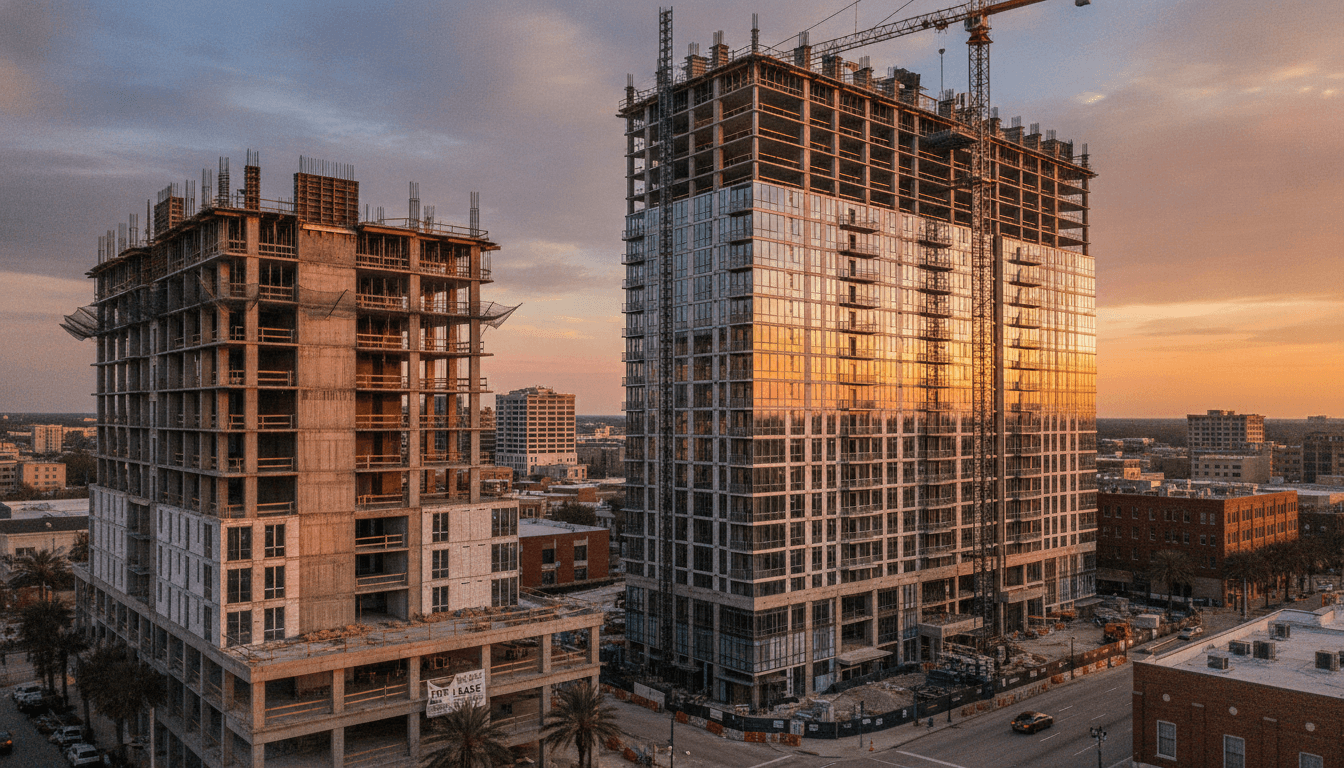
New construction is Orlando's price-setter this cycle. Builders across Horizon West, Lake Nona, and the Osceola corridor came into 2026 holding standing inventory, and they compete with resale listings using the one tool individual sellers lack: financed incentives.
Rate buydowns worth tens of thousands, closing cost credits, and design upgrades let builders cut a buyer's payment without cutting the recorded price. A resale seller in the same school zone is effectively bidding against that package, which caps what the resale side can ask.
For buyers, the arbitrage is worth running in both directions. Builder incentives make some new homes cheaper monthly than older resales, while motivated resale sellers in delivery-heavy zip codes will negotiate harder than the builder ever needs to.
Where the Metro Splits
Orlando is a collection of submarkets moving at different speeds, and 2026 rewards knowing which is which. Three groupings tell most of the story.
The Close-In Premium Belt
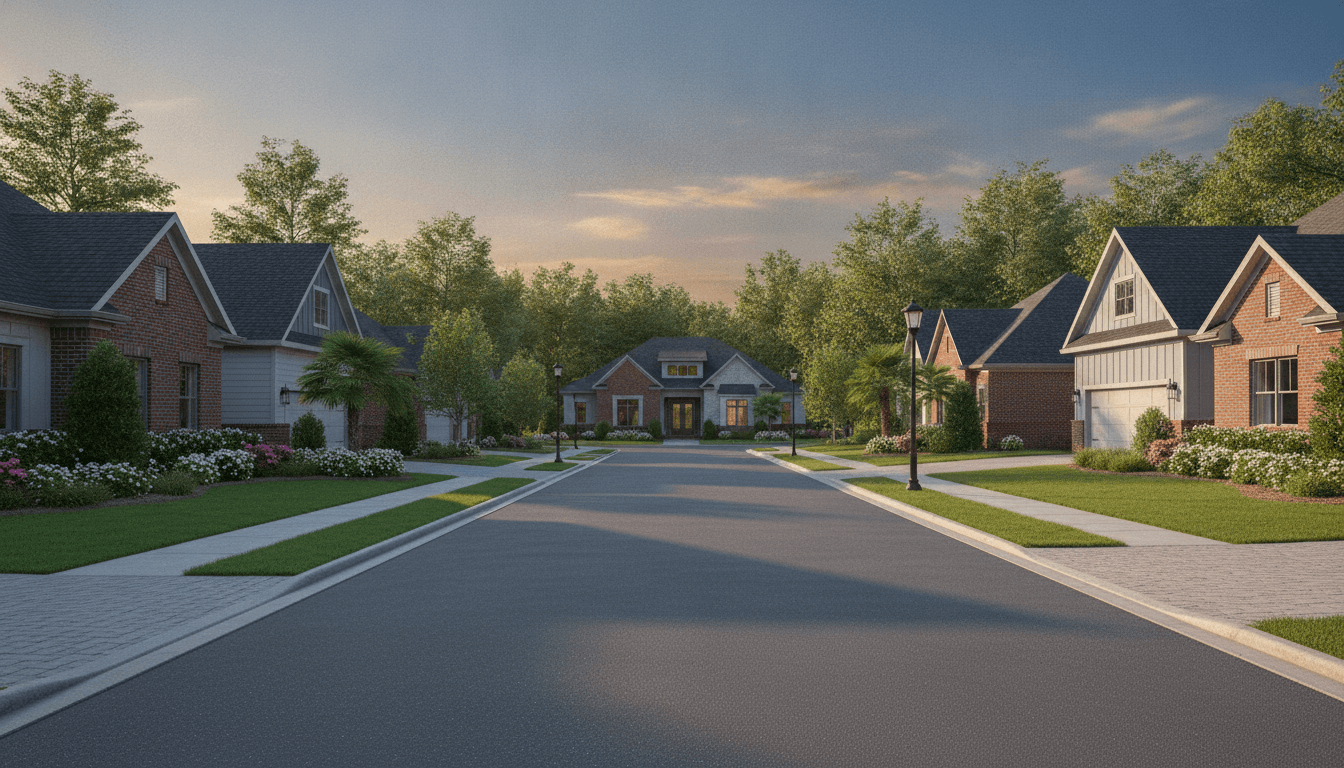
Winter Park, College Park, Maitland, and the Delaney Park and Thornton Park districts hold the metro's strongest pricing, with brick streets, mature oaks, and chain-of-lakes access keeping demand deep. Homes here trade at large premiums per square foot and shrug off soft months that dent the outer metro.
Inventory in these neighborhoods stays thin because owners hold, and well-priced listings still draw multiple offers in any month. This is the slice of Orlando where the 2026 buyer's leverage runs thinnest.
The Southeast Growth Engine
Lake Nona and its orbit keep absorbing a disproportionate share of the metro's higher-end demand, anchored by the medical city, the airport, and a steady stream of corporate arrivals. New phases deliver constantly, which keeps price growth contained even as volume runs high.
Nearby St. Cloud and the Narcoossee corridor offer the value version of the same trajectory. Buyers priced out of Lake Nona proper have pushed that direction for years, and 2026 continues the pattern.
The Tourism Corridor and Four Corners
Kissimmee, Davenport, and the Four Corners area run on a different operating system, where short-term rental zoning makes investors a permanent share of the buyer pool. Softness in travel spending shows up here first, and this corridor carries the metro's heaviest concentration of price cuts and the best negotiating conditions for patient buyers.
Resort condo product in this zone is the single weakest asset class in Central Florida right now. Anyone buying it in 2026 should underwrite conservatively and treat projected rental income with skepticism.
The Forecast Through 2026 and Beyond
The base case for Orlando through the rest of 2026 is a flat-to-modestly-positive grind: prices within a few percent of today, inventory staying generous, and total carrying costs, not sticker prices, deciding affordability. Single-family homes near employment centers should hold value best, while condos and the tourism corridor keep repricing.
The upside scenario runs through rates. A meaningful drop toward the mid 5s would bring sidelined buyers back faster than sellers could raise prices, and Orlando's demographics would turn that into a brisk spring in short order.
The downside risks are Florida-specific rather than demand-driven: another insurance shock, a severe hurricane season, or condo assessment waves accelerating. Even then, the metro's growth engine argues for stagnation rather than collapse, which is roughly what the past two years have already looked like.
For buyers, 2026 rewards the prepared and the patient: shop insurance early, run builder incentives against resale math, and negotiate without apology outside the premium belt. For sellers, the winning formula is pricing to the current market, presenting a newer roof if you have one, and meeting concessions before the second price cut does it for you. We track shifts like these across every major metro on our national housing market blog as the year develops.
The Rent-or-Buy Math Underneath It All
Orlando rents have flattened as new apartment supply delivered across the metro, and that keeps a floor under the buy-versus-rent debate. Typical two-bedroom rents sit in the high $1,000s while total ownership costs on a median house run well above that, so renting remains the cheaper monthly path in most zip codes.
Buying still wins on a long horizon, especially for households that lock a payment before rents resume climbing. The 2026 twist is that generous inventory lets buyers make that choice deliberately instead of desperately, which is its own kind of return.
Orlando Housing Market FAQs
Are Orlando home prices dropping in 2026?
The typical metro price is within a few percent of last year, so the honest answer is mostly flat. Condos and resort-area properties have seen real declines, while close-in single-family neighborhoods have held or gained slightly.
Is 2026 a good year to buy a house in Orlando?
Buyers have more inventory, more negotiating room, and more builder incentives than at any point in years, which is a genuinely favorable setup. The offset is carrying costs, so budget around the full monthly payment including insurance rather than the list price.
What is driving Orlando housing costs the most right now?
Insurance premiums and association fees, more than prices themselves. Two identical listings can carry monthly costs hundreds of dollars apart based on roof age and HOA structure, which is why total cost of ownership decides deals here.
Where are the best deals in the Orlando metro?
The tourism corridor through Kissimmee, Davenport, and Four Corners has the heaviest inventory and steepest cuts, especially on investor-oriented product. Buyers wanting appreciation stability instead should expect to pay up for the close-in premium neighborhoods.
What would change the Orlando forecast?
Rates falling toward the mid 5s would tighten the market quickly, given the region's job and population growth. An insurance shock or a major storm season would push the other way, mostly by raising carrying costs another notch.