Market Analysis
Raleigh, NC Housing Market 2026: Prices, Trends & Forecast
Raleigh, NC housing market 2026: mid $400,000s medians, low single digit growth, heavy new construction, normal due diligence fees, and a steady forecast.
Raleigh, NC Housing Market 2026: Prices, Trends & Forecast
Raleigh keeps landing on the short list of markets forecasters expect to outperform, and 2026 is testing whether the fundamentals can carry that reputation through a high-rate era. The Raleigh, NC housing market this year is defined by a tug of war: relentless population and job growth pulling prices up, and a wave of new construction plus stretched affordability holding them down. So far the result is a market that grinds forward a few percent a year instead of leaping, which is healthier than it sounds.
For buyers who watched Raleigh's 2020 to 2022 run with despair, this is the friendliest version of the market since before the pandemic. Homes sit long enough to be seen twice, builders are paying rate buydowns, and the due diligence fees that once hit five figures have come back to earth. Sellers, meanwhile, are learning that pricing off a neighbor's 2022 comp is the fastest way to chase the market down.
Here is where prices stand across the Triangle, what is driving demand and supply, the neighborhood picture, what each side of the table should expect, and where 2026 is likely headed from here.
The Job Engine Keeps Feeding the Market
Housing demand in Raleigh starts with payrolls. Research Triangle Park anchors one of the densest concentrations of tech, biotech, and pharmaceutical employment in the Southeast, and the expansion announcements keep stacking up across semiconductors, life sciences, and data infrastructure. Add three major research universities within a 30-minute radius and the state government payroll downtown, and the region imports educated workers every month of every year.
That in-migration is the number to watch, because it converts directly into household formation. Wake County has been adding tens of thousands of residents a year, many arriving from the Northeast, Florida, and California with equity or remote salaries that make Raleigh prices look reasonable. A buyer selling a townhouse outside Boston can still buy detached space here and bank the difference, and that arbitrage keeps a floor under demand even when rates pinch local buyers.
The flip side is that local wage earners compete against imported purchasing power. Affordability for a median Triangle household has thinned, and it shows up in where demand concentrates: townhomes, smaller new builds, and the outer ring towns where the price per square foot still works.
Where Prices Sit in 2026
The median sale price across the Raleigh metro sits in the mid $400,000s this year, with the city of Raleigh itself close to that mark and the metro-wide figure drifting only modestly year over year. Appreciation has settled into the low single digits, roughly 2 to 4 percent annually, a pace that trails the pandemic surge but still outruns most of the country. Townhomes and condos, the entry tier, have seen the most price resilience because that is where the demand piles up.
Geography splits the price map cleanly. Cary, Apex, and Holly Springs run well above the metro median, frequently $550,000 to $700,000 and beyond for detached homes, while Knightdale, Garner, Wendell, and Zebulon on the eastern side offer detached homes from the high $300,000s. Cross into Johnston County around Clayton and the entry point drops further, which is exactly why Johnston keeps posting some of the fastest growth percentages in the state.
Days on market tell the balance story. Typical listings now take four to seven weeks to go under contract, against the days-not-weeks frenzy of 2021 and 2022, and price cuts on over-ambitious listings are routine. Inventory has rebuilt to a few months of supply, still shy of a true buyer's market, best described as balanced with a buyer lean in the suburbs.
New Construction Is the Story of This Cycle
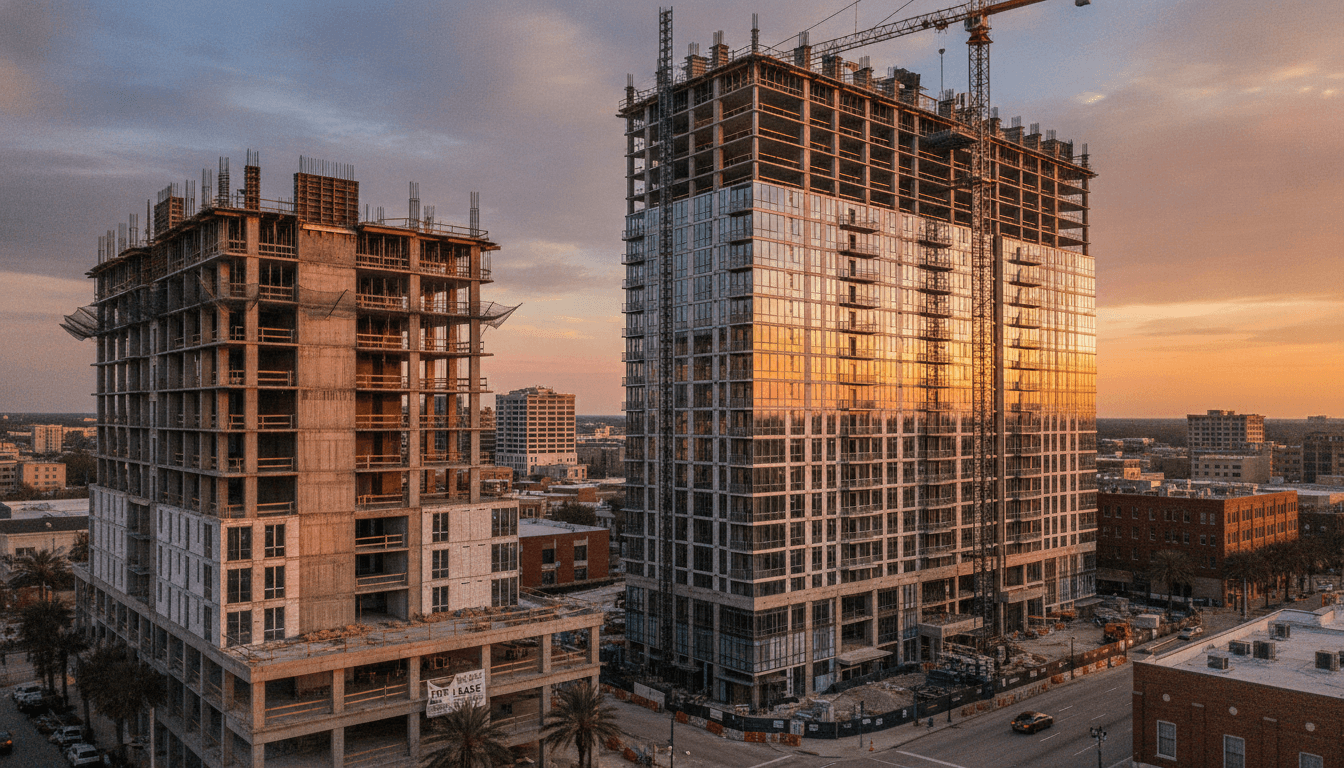
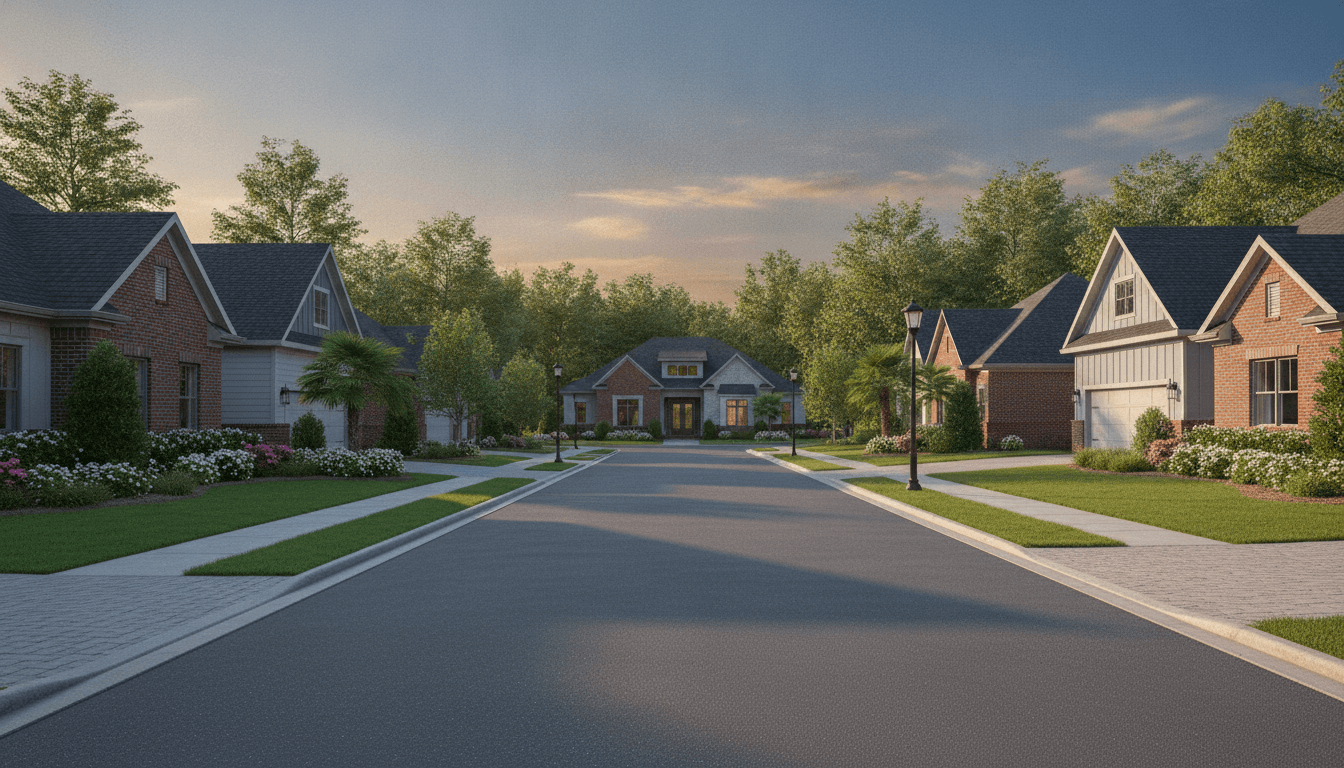
The Triangle has been one of America's most active homebuilding markets for years, and that pipeline is reshaping 2026. Builders are delivering thousands of homes across Wake, Johnston, and Franklin counties, concentrated in master-planned communities in Fuquay-Varina, Wendell, Zebulon, Angier, and Clayton, and they are competing hard for buyers. Incentives in the 3 to 5 percent range, usually taken as rate buydowns or closing costs, are standard on inventory homes.
That competition disciplines the resale market. A resale seller in Wendell is not competing with the neighbors so much as with a builder two miles away offering a 5.25 percent buydown and a new roof by definition. Resale homes in new-construction-heavy zones have to win on lot size, mature trees, no HOA quirks, or price.
For buyers, builder inventory is the leverage play of 2026. Standing inventory that a builder wants off the books before quarter end is where the best effective discounts in the Triangle live, and buyers who shop the buydown against a marked price cut sometimes find the cut is worth more over a realistic hold period. Bring your own agent and your own inspector, since builder-friendly defaults remain the default.
The Neighborhood Map, Briefly
Inside the Beltline remains the prestige tier, where Five Points, Hayes Barton, and the oak-lined streets around Cameron Village trade at price points, often $800,000 into the millions, that look nothing like the metro median. Demand there is insulated from builder competition because nobody is manufacturing more 1920s bungalows on quarter-acre lots two miles from downtown.
North Hills and Midtown have become the second downtown, with condos and townhomes feeding buyers who want walkable retail without the ITB price. Downtown Raleigh proper is more mixed, as condo supply and slower office recovery keep pricing negotiable, and patient buyers can find value there in 2026.
West and south, Cary and Apex hold their positions as the relocation magnets, sustained by schools, parks, and proximity to RTP, with Morrisville sitting closest to the park itself. The value ring runs east and southeast, where Knightdale, Garner, Wendell, and Clayton deliver the space-per-dollar that first-time buyers in the metro can still reach.
What Buyers Should Expect at the Table
North Carolina's due diligence system surprises every out-of-state buyer, so learn it before you write an offer. Buyers pay a nonrefundable due diligence fee directly to the seller for the right to inspect and walk away for any reason before the deadline, and that fee is lost if you exit. During the frenzy those fees reached shocking levels, and in 2026 they have settled back to hundreds or a few thousand dollars on typical homes, a real return of buyer protection.
Negotiation is back in most of the metro. Sellers are covering closing costs, funding repairs found at inspection, and accepting offers under list on homes that sat past the first month, none of which happened in 2022. The exceptions are turnkey homes in premium school assignment zones and anything well-priced inside the Beltline, which can still draw multiple offers in week one.
Rate math should drive strategy more than price math. A buydown from a builder or a seller concession converts to more monthly relief than an equivalent price reduction in most scenarios buyers face this year, so structure offers around the payment. Preapproval from a lender who knows Triangle appraisal conditions remains the ticket to being taken seriously.
What Sellers Should Expect
Pricing is the whole game in 2026. Homes priced to current comps in Raleigh still go under contract in a few weeks, while homes priced to 2022 memories accumulate days on market and end up selling below what honest pricing would have captured, since the market reads a stale listing as a flawed one. The first two weekends decide which path a listing takes.
Presentation earns real money now that buyers have choices. Fresh paint, working systems with service records, and a pre-listing look at the roof and HVAC beat speculative upgrades, and in builder-adjacent zones, anything that highlights what new construction lacks, established trees, larger lots, finished landscaping, belongs in the marketing. Expect buyers to ask for repairs and expect to fund some of them.
The seller's consolation is that the exit environment is stable. This is a market with steady demand and modest appreciation, so selling into 2026 is a matter of doing it competently rather than timing a wave.
Taxes, Insurance, and Carrying Costs
Wake County's 2024 revaluation reset assessed values sharply upward, and the county and municipalities adjusted rates against those new values, so the sticker shock landed unevenly street by street. Fast-appreciating neighborhoods absorbed real increases in their bills. Buyers should pull the actual current tax bill on any home they pursue rather than estimating from the price, and remember Wake now revalues every four years, with the next reset due in 2028.
The good news is that North Carolina property taxes remain moderate against the Northeast markets many arrivals left behind. Insurance is the same story with a caveat, since premiums have climbed statewide on rebuild costs and storm exposure, but Triangle rates remain far below coastal Carolina and Florida.
HOA dues deserve attention in this metro specifically, because such a large share of the recent inventory sits in managed communities. Townhome buyers especially should read budgets and reserve studies, as dues on newer communities tend to rise once builder subsidies end.
The Forecast Through 2026 and Into 2027
The base case is more of what this year has delivered: price growth in the low single digits, inventory continuing to normalize, builders competing on incentives, and days on market holding in the four-to-seven-week band. Employment pipelines in RTP and the university system argue against any meaningful price decline, while the construction pipeline and affordability ceiling argue against another surge. Raleigh in 2026 is what a soft landing looks like at the metro level.
The swing factor is mortgage rates, in the direction buyers hope. A sustained move lower would reactivate sidelined local buyers quickly in a metro this young and this employed, and the balanced conditions described above would tighten within a season. Buyers waiting for both lower rates and today's negotiability should know those two conditions rarely coexist for long, and readers weighing Raleigh against other relocation metros can compare markets in our national housing coverage before deciding where to land.
Raleigh Market Questions Buyers and Sellers Ask
Is 2026 a good year to buy in Raleigh?
For buyers with stable income and a five-year horizon, conditions are the most favorable since 2019: negotiable sellers, builder incentives, and normal inspection timelines. The tradeoff is the rate environment, which is why concessions structured as buydowns matter more than list price wins.
Are home prices in Raleigh expected to drop?
A broad decline looks unlikely given job growth and in-migration, and the consensus forecast range for the metro is roughly flat to up 4 percent through the year. Individual segments can dip, particularly downtown condos and over-supplied new construction pockets, without moving the metro number.
What is a normal due diligence fee in 2026?
On a typical Wake County home, several hundred to a few thousand dollars, scaled to price point and competition, against the $10,000-plus figures common during the frenzy. Competitive ITB listings still command more, and your agent's read on each listing matters.
How does Raleigh compare to Durham for buyers right now?
Durham runs somewhat cheaper at the median and offers a stronger urban core scene, while Raleigh offers deeper suburban inventory and the larger school district footprint. Many Triangle buyers shop both, and the practical divide usually comes down to commute targets around RTP.