Market Analysis
Seattle, WA Housing Market 2026: Prices, Trends & Forecast for Buyers and Sellers
Seattle, WA housing market 2026: current prices, neighborhood trends, condo vs single-family performance, buyer and seller strategy, and the forecast into 2027.
Seattle, WA Housing Market 2026: Prices, Trends & Forecast for Buyers and Sellers
Seattle enters the back half of 2026 as a market that has stopped swinging and started grinding. Single-family homes inside the city limits generally trade somewhere in the $800,000 to $950,000 range, with well-located north end and central neighborhoods pushing past $1.1 million and outlying areas landing below the citywide midpoint. Condos remain the softer half of the market, with plenty of inventory in the $400,000 to $650,000 band.
The two markets are behaving so differently that a single citywide number tells you almost nothing. A three-bedroom house on a standard lot in Ballard or Wallingford still draws multiple offers when it is priced correctly and shows well. A one-bedroom condo in a mid-2010s tower downtown can sit for two months and close under list.
What has changed most since the frantic years is the pace. Buyers are getting time to look, inspect, and think, and sellers who price ahead of the market are getting the price reduction lecture from their agent three weeks in. That balance is the single most useful thing to understand about Seattle right now.
Where Prices Sit and What They Are Doing
Values across most of Seattle are moving in low single digits year over year, which is a different world from the double-digit jumps of the pandemic run-up. Some neighborhoods are flat. A few of the tighter, low-inventory pockets are still climbing at a modest clip because almost nothing comes up for sale in them.
Mortgage rates are the reason the market has a floor under it rather than a slide. Rates have settled into a range that buyers have adjusted to, and the shock factor is gone. What has not gone away is the lock-in effect, where owners holding a rate from 2020 or 2021 have very little reason to sell and buy something else at current financing.
That lock-in keeps resale inventory tight, and tight inventory keeps prices from falling even when demand cools. Seattle has spent the past couple of years in that standoff. Listings come on, the good ones sell, the overpriced ones linger, and the overall price level barely moves.
Days on market tell the story better than price does. Well-prepared houses in the popular neighborhoods still go pending inside a week or two. Homes with deferred maintenance, awkward layouts, or arterial noise are sitting for a month or longer, which almost never happened in 2021.
What Is Driving the Market Right Now
Employment in the region still anchors everything. The Puget Sound economy runs on technology, aerospace, cloud infrastructure, health care, and the port, and hiring in those sectors has been uneven rather than uniformly strong. Return-to-office requirements at the largest employers have pulled demand back toward neighborhoods with a reasonable commute to South Lake Union, downtown, and the Eastside.
Transit expansion is quietly reshaping demand. Light rail extensions north and east have made a set of neighborhoods and suburbs far more connected than they were five years ago, and homes within walking distance of a station carry a premium that did not exist when the tracks were still under construction. Buyers who once refused to look north of Northgate now do it without blinking.
Supply policy is the other force worth watching. Washington's middle housing law requires most cities in the state, Seattle included, to allow more units on lots that were long limited to a single house, and Seattle's own comprehensive plan work has been steering density toward neighborhood centers. The effect on prices will take years to show up.
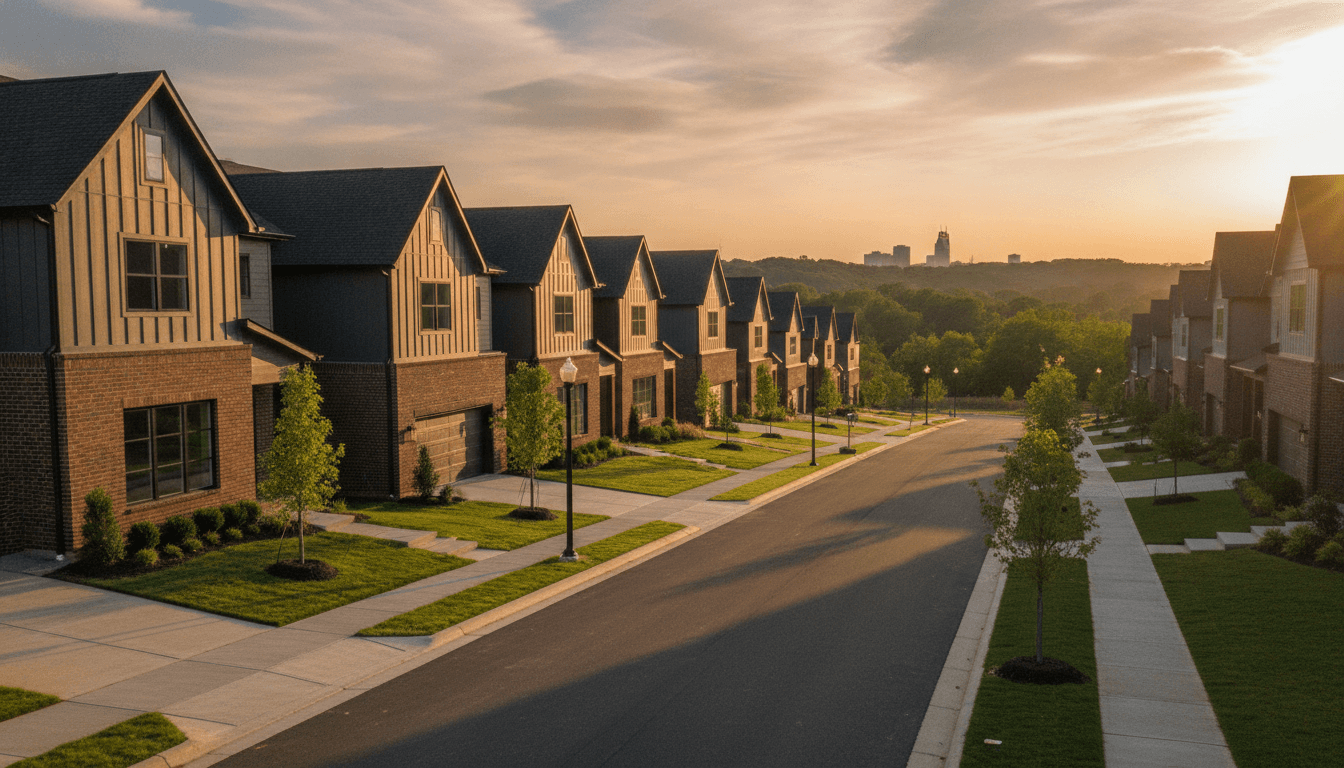
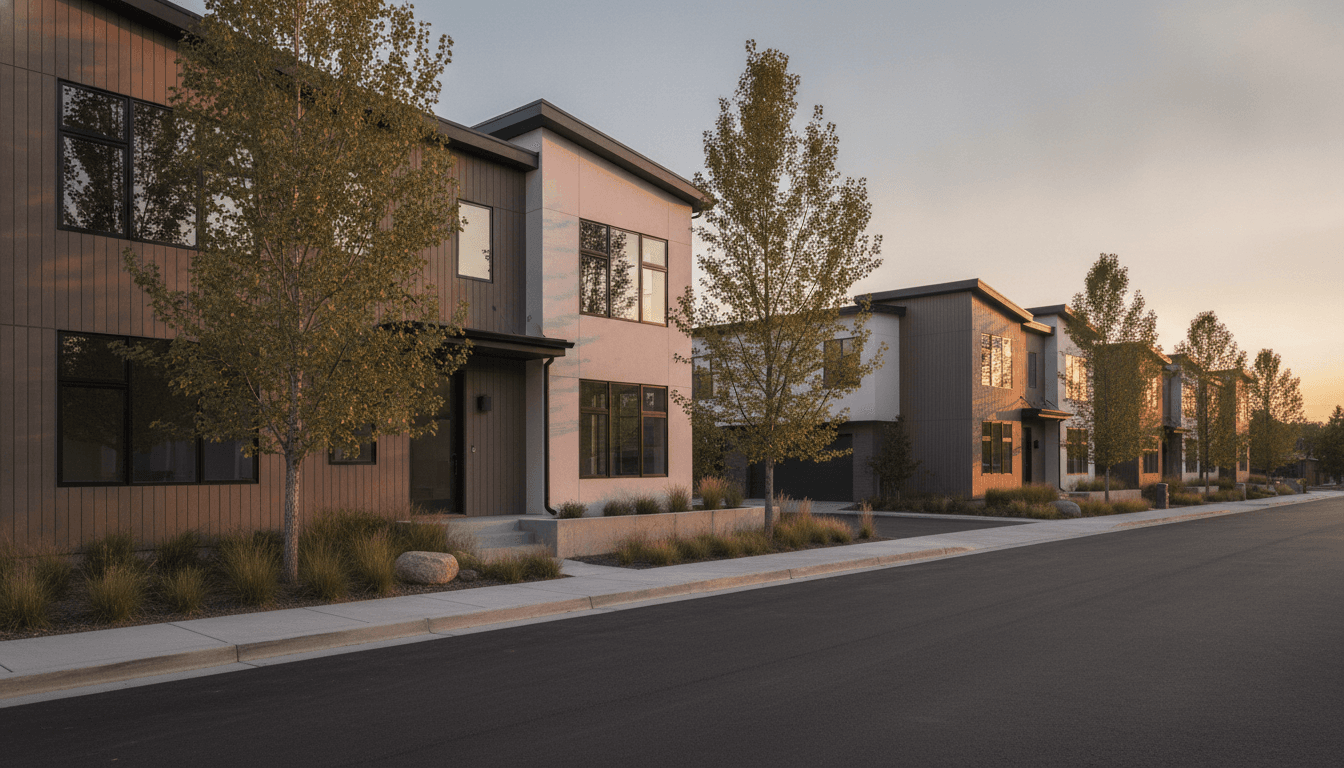
What it is already doing is changing what gets built. Townhouse and small multiplex construction on former single-house lots is now common across large parts of the city, and those units are frequently the only new product in a neighborhood under $900,000. Buyers priced out of a detached house often end up in one.
How Different Parts of Seattle Are Performing
There is no single Seattle market, and the gap between the strongest and weakest submarkets has widened. Detached houses in established north end neighborhoods with good walkability continue to be the most competitive product in the city. The softest pockets are high-rise condos and anything that needs significant work.
Price per square foot varies enormously by geography, and buyers relocating here consistently underestimate it. A budget that buys a large house with a yard in south Seattle buys a smaller, older house in Green Lake or Phinney Ridge.
North Seattle and the Ballard Corridor
Ballard, Fremont, Phinney Ridge, Greenwood, and Green Lake remain the most consistently competitive area for detached homes. Inventory turns over slowly, buyers compete for the ones that come up, and updated houses near the commercial strips continue to draw several offers. Newer townhouses in the same neighborhoods sell more slowly and negotiate more freely.
Farther north, Northgate, Lake City, and the areas near the newer light rail stations have picked up demand that used to stop at 85th Street. Homes there generally trade below the citywide midpoint while offering direct rail access downtown, which is a combination that did not exist a decade ago.
West Seattle and the South End
West Seattle carries a discount tied to the bridge and the commute, and that discount narrowed after the bridge reopened but never fully closed. Buyers get more square footage and more yard for the money than in comparable north end neighborhoods, and the tradeoff is travel time.
Beacon Hill, Columbia City, Rainier Valley, and Mount Baker cover a wide price spread within a few miles. Older homes on larger lots sit alongside new townhouse rows, and light rail access along the Rainier corridor has supported values there through the slower stretches.
Downtown, Belltown, and the Condo Market
The condo picture is the clearest buyer's opportunity in the city. Inventory in the downtown core, Belltown, and South Lake Union has been ample, sellers have been negotiating, and concessions are common. Buyers should read the resale certificate closely and look at reserve levels and any special assessment history before falling in love with a view.
What Buyers Should Expect This Year
Competition has not disappeared, it has narrowed to the best listings. Expect to compete on a well-priced, updated house in a desirable location and expect room to negotiate on almost everything else. That distinction should shape how aggressively you write each offer.
Pre-inspection remains standard practice in Seattle, and sellers of popular homes often provide an inspection report up front so buyers can write without a contingency. Getting that report reviewed by your own inspector before you offer is worth the modest cost. Waiving contingencies without doing that homework is how buyers inherit a foundation problem.
Escalation clauses are still in use, though far less universally than during the boom. On a listing with three offers they can win the day, and on a listing with no competition they simply reveal your ceiling. Ask your agent to find out how many offers are expected before deciding whether to include one.
Buyer representation agreements are now a settled part of the process across the country, and Seattle is no exception. You will sign an agreement with your agent that spells out compensation before touring homes, and how the seller side contributes to that compensation is negotiated deal by deal. Ask about it early so it does not surprise you at closing.
Washington has no state income tax, which changes the relocation math for buyers coming from California or the Northeast. It also does not lower the property tax bill, so check the specific parcel's annual assessment rather than assuming a rule of thumb.
What Sellers Should Plan For
Pricing at or slightly under recent comparable sales continues to outperform pricing above them. Seattle buyers watch the market closely and know within a day whether a listing is a reach. A home priced ahead of its comps usually ends up selling below where it would have if it had launched correctly.
Preparation carries more weight than it did three years ago. Painting, refinishing floors, updating the lighting, clearing the yard, and dealing with the known inspection items reliably return more than they cost in this market. Buyers with options are not paying full price for a project.
Timing still favors spring and early summer, with a secondary window in September. Listings that hit in late November and December face a small buyer pool, though the sellers who do it usually face very little competition. Neither pattern is strong enough to hold a home off the market for six months.
The Outlook for the Rest of 2026 and Into 2027
The most likely path from here is continued slow appreciation in the desirable single-family neighborhoods and a flat to soft condo market. Nothing on the horizon suggests a rapid reversal in either direction. Supply is constrained, demand is steady, and financing costs are neither punishing nor stimulating.
The variable that would change the picture is a sustained drop in mortgage rates. That would unlock a wave of owners currently sitting on low rates, which adds inventory and adds buyers at the same time, and the net effect on prices is genuinely hard to call.
For anyone making a decision this year, the practical advice is unglamorous. Buy when you have a clear plan to hold for at least five to seven years, sell when your timeline requires it rather than when you are trying to time a peak, and read our latest housing market updates and buying guides before you commit either way.
Frequently Asked Questions
Is Seattle a buyer's market or a seller's market in 2026?
It depends on the property type. Detached homes in the north end and central neighborhoods still favor sellers, while downtown and Belltown condos clearly favor buyers, with negotiating room and seller concessions available on many units.
Will Seattle home prices drop in 2026?
A broad decline looks unlikely while resale inventory stays this tight, and most of the pressure is showing up as longer marketing times rather than lower sale prices. The condo segment is the exception, where ample supply has kept values flat to slightly down.
How much do you need to earn to buy a house in Seattle?
With a typical house running $800,000 to $950,000, buyers generally need household income in the low to mid six figures along with a down payment of 10 to 20 percent. Washington's lack of a state income tax improves take-home pay compared with several states people relocate from.
Are Seattle condos a good buy right now?
They are the best value in the city on a price-per-square-foot basis, though appreciation has lagged detached homes for several years. Review the HOA reserve study, the dues history, and any past special assessments before writing an offer, since those factors drive resale more than the finishes do.