Market Analysis
Nashville, TN Housing Market 2026: Prices, Trends and Forecast After the Building Boom
Nashville, TN housing market 2026: prices by county, the apartment supply wave, tall and skinny infill homes, short-term rental rules, and a 2026 forecast.
Nashville, TN Housing Market 2026: Prices, Trends and Forecast After the Building Boom
Nashville built an enormous amount of housing over the past five years, and the market is still absorbing it. Apartment towers went up along Charlotte Avenue, Wedgewood-Houston, and the East Bank, while infill crews split single lots into pairs of narrow houses across half the county. All of that supply landed at roughly the same time.
The Nashville, TN housing market in 2026 is the result. Prices have flattened rather than fallen, rents have stopped climbing, and buyers have negotiating room that did not exist during the frenzy. Sellers still do fine here, they just have to price like the competition is real.
What makes this metro different from other Sun Belt markets is how much the rules change when you cross a county line. Taxes, schools, short-term rental permission, and price per square foot all shift, sometimes within a few miles.
What Homes Cost in Davidson County and the Ring Around It
Typical homes in Davidson County trade in the low to mid $400,000s, with East Nashville, Sylvan Park, and 12South running well above that and areas like Antioch and Madison well below. The spread inside one county is wider than newcomers expect.
Williamson County is a different market entirely. Franklin and Brentwood routinely trade at double Davidson prices, driven by school district reputation and a concentration of corporate headquarters along the Cool Springs corridor.
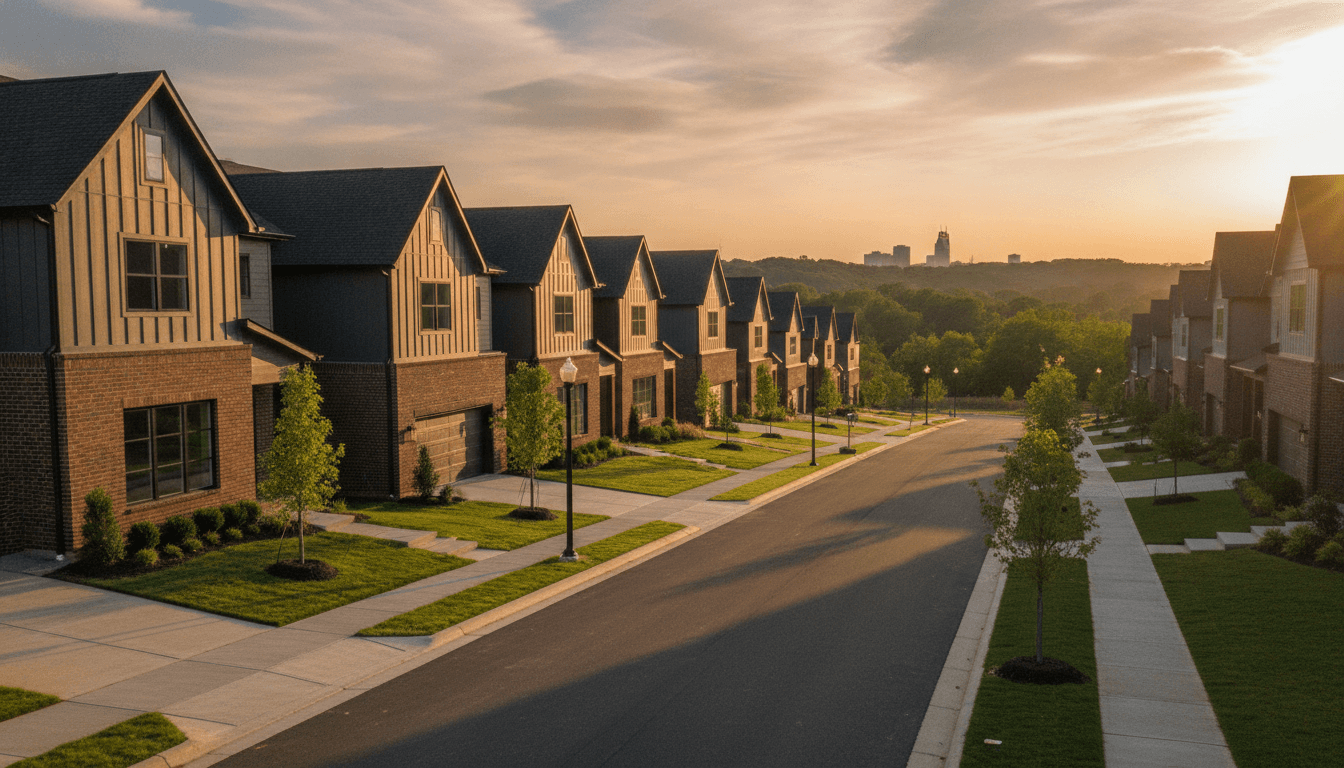
Head the other direction and prices drop fast. Murfreesboro in Rutherford County, Gallatin and Hendersonville in Sumner County, and Mount Juliet in Wilson County all offer newer construction at prices Davidson County stopped supporting years ago.
The pattern across all of them has been the same since the boom ended. Small moves in either direction, longer days on market, and price reductions on anything listed optimistically.
The Apartment Wave Reset the Rental Math
Multifamily deliveries in this metro hit levels the region had never seen, and renters have been the beneficiaries. Concessions like two months free and waived fees became common marketing, and asking rents in the urban core have gone flat or slightly negative. Landlords compete for tenants now.
That matters for anyone buying with rental income in the plan. A duplex penciled on 2022 rent assumptions does not pencil on current ones, and the gap between mortgage payment and achievable rent has widened across most of Davidson County.
Owner-occupants get a quieter benefit. Softer rents cap what sellers can argue about investor demand, which takes some heat out of listing prices in the neighborhoods investors used to chase.
Tall and Skinny Homes Changed the Entry Price
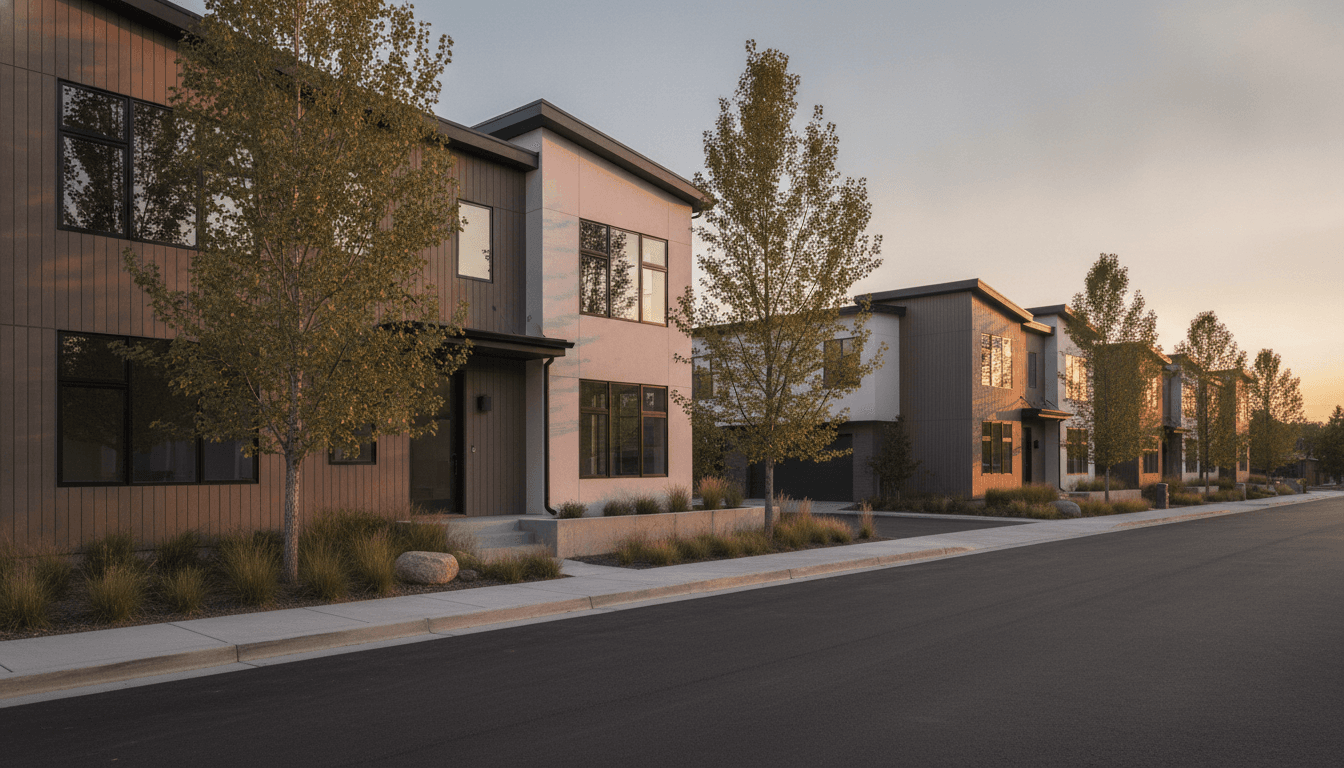
Drive through The Nations, East Nashville, or Wedgewood-Houston and you will see the signature Nashville product: two narrow three-story homes standing where one ranch used to sit. Developers accomplished this through the horizontal property regime, which allows two detached units on a single lot with shared elements. Thousands of them now exist across the county.
The economics worked for everyone for a while. Sellers of tired 1950s houses got lot value, developers got two sales out of one purchase, and buyers got new construction inside the urban core for less than a comparable detached home on a full lot. Then the supply caught up with demand.
Values on these homes have been the softest part of the Davidson County market. Buyers today have real selection among them, which is the opposite of the situation five years ago.
What You Get and What You Give Up
A typical unit runs 1,800 to 2,400 square feet across three floors with a small yard and a one-car garage or a pad. Finishes are new, systems are new, and the location is close to the core, which is the entire appeal.
The tradeoffs are stairs, shared driveways, and a wall or a property line very close to the neighbor. Anyone who values outdoor space or single-level living should look at older homes further out rather than fighting the format.
Read the HPR Documents Before You Offer
The two units share elements, and the recorded documents spell out who maintains the driveway, the sewer lateral, and any common area. Some come with a small association and dues, and others leave everything to an agreement between two owners.
Ask your agent to pull those documents during the inspection period. A vague maintenance agreement between neighbors is the kind of thing that surfaces years later when the shared drive needs replacing.
Short-Term Rental Rules Before You Count on Nightly Income
Nashville regulates short-term rentals through Metro Codes, and the permission depends on both the property type and whether you live there. Owner-occupied permits are broadly available in residential zoning. Permits for properties where the owner does not live on site are limited in most residential districts, with existing ones tied to specific properties and histories.
Buyers regularly get this backward. A listing advertising strong nightly revenue does not guarantee that a permit transfers to you, and permits do not automatically convey with a sale in every case. Verify the permit status with Metro directly before you rely on that income in your underwriting.
Condominium and association rules add another layer on top of the city code. Plenty of downtown buildings prohibit rentals under 30 days regardless of what the city would allow, and the association enforces that independently.
If nightly rental is the whole investment thesis, look at the counties around Davidson where rules differ, and confirm those in writing too. Local governments across the region have revisited this repeatedly.
Property Taxes and the Reappraisal Cycle
Davidson County reappraises property on a multi-year cycle, and the notice that arrives after a reappraisal tends to alarm people. A higher appraised value does not automatically mean a proportionally higher bill, because the state requires a certified tax rate adjustment that offsets the overall increase.
What it does mean is redistribution. Homeowners in neighborhoods that appreciated faster than the county average pay more, while owners in slower areas pay less. Buyers should ask what the seller paid last year rather than trusting an online estimate.
Tennessee's lack of a personal income tax keeps the total burden reasonable compared with the states sending people here. Sales tax runs high to compensate, and that shows up on every purchase you make after closing.
County Lines Do More Work Than Neighborhood Names
Cross from Davidson into Williamson and the school district changes, the tax rate changes, and the price per square foot jumps. Cross into Rutherford and the opposite happens. Buyers who shop by drive time rather than by county often end up comparing homes that are not comparable at all.
Flood exposure is the other boundary worth mapping. The Cumberland River, Mill Creek, and the Harpeth have all flooded within living memory, and parcels near them carry flood insurance requirements that add real money to a monthly payment. Check the flood zone before the inspection, not after.
New construction concentrates in the outer counties, where builders still have land and continue offering rate buydowns and closing cost credits. Those incentives are worth comparing directly against a resale home closer in.
The Forecast for the Rest of 2026
Flat to slightly positive is the reasonable expectation for detached homes. Inventory has normalized, the apartment pipeline is thinning, and job growth across healthcare, hospitality, and the corporate relocations continues at a steady pace. Nothing in the current data points to a sharp move in either direction.
The infill and condo segments have further to go. Both carry more standing supply relative to demand, and both compete directly with a rental market offering concessions.
Longer term, the fundamentals that drew people here have not changed. No state income tax, a diversified employment base, and continued in-migration from more expensive metros still support values, and you can compare how other cities are handling similar adjustments in our city-by-city housing market guides.
How to Play It This Year
Buyers should shop slowly and use the leverage that comes with inventory. Ask for closing cost credits, a seller-funded rate buydown, and repairs after inspection, and compare builder incentives in Wilson or Rutherford County against resale prices inside Davidson.
Underwrite the full payment before falling for a price. Between flood insurance, association dues on an infill home, and the difference between county tax rates, two houses at the same list price can cost $600 a month apart.
Sellers should price against the last 90 days rather than against a neighbor's 2022 sale. The first two weeks on market draw the most qualified attention, and an ambitious list price spends that window on nobody.
Presentation still separates the homes that sell from the ones that linger. You are competing with new construction that shows flawlessly, so paint, decluttering, and the obvious repairs earn their cost back.
Frequently Asked Questions
Are Nashville home prices going down in 2026?
Detached homes have flattened rather than declined, with small quarterly moves in both directions. The softness shows up mainly in new infill units and condos, where supply outran demand and buyers have the most selection.
Is Nashville a buyer's market right now?
Closer to balanced, with buyers holding more leverage than at any point since the boom. Price reductions and seller concessions are routine, though well-priced homes in established neighborhoods still sell in a matter of weeks.
Can I buy a house in Nashville and rent it on Airbnb?
Only with the right permit, and permission depends on zoning, whether you live at the property, and in many cases the property's permit history. Confirm the status with Metro Codes and read any association rules before you count on nightly revenue.
Should I buy in Davidson County or one of the surrounding counties?
Davidson buys you proximity to downtown employment and the urban neighborhoods, while Rutherford, Wilson, and Sumner buy more square footage and newer construction for the money. Williamson commands a premium tied to its schools and corporate corridor.
What is a tall and skinny house in Nashville?
It is one of two narrow detached homes built on a single lot under a horizontal property regime, usually three stories with a shared driveway. They gave the urban core a wave of new construction at a lower entry price, and they are the segment where buyers currently have the most negotiating room.