Market Analysis
San Francisco, CA Housing Market 2026: Prices, Trends and Forecast
San Francisco, CA Housing Market in 2026: a recovery led by AI hiring, strong single-family demand, a softer condo segment, and advice for both sides.
San Francisco, CA Housing Market 2026: Prices, Trends and Forecast
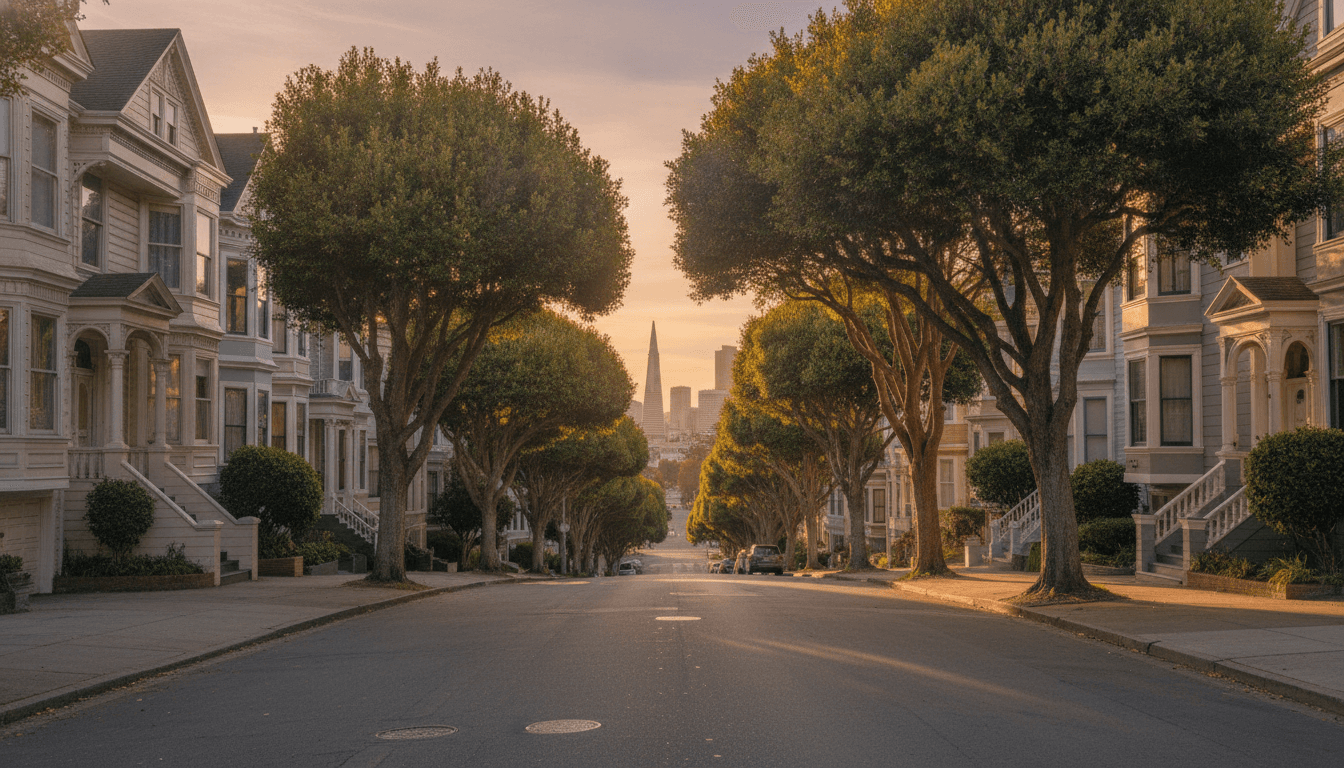
Written off more times than any market in America, San Francisco keeps proving the obituaries wrong. The post-pandemic years were rough: remote work emptied offices, prices slipped from their peak, and the condo segment took real damage. By 2026 the story has turned, and the San Francisco, CA housing market is in a genuine recovery, led by an AI industry that decided the city was its capital.
The recovery is uneven, and that unevenness is the single most important thing to understand before buying or selling here. Single-family homes and condos are behaving like two different markets, and the gap between them shapes nearly every decision worth making this year.
A Recovery With Real Momentum
Demand returned in stages. First came the AI hiring wave, which concentrated inside the city rather than on the suburban campuses of past tech cycles. Then came the equity, as employees of fast-growing labs and startups turned paper wealth into down payments.
Employers pulling workers back toward offices reinforced the shift. When commuting matters again, living in the city regains value, and neighborhoods near transit lines and tech offices felt that change first. Open houses in the central and western neighborhoods started drawing crowds again, and multiple offers returned for the best homes.
None of this rewinds the market to its old trajectory overnight. It does mean the drifting years are over for most of the city, a pattern we also track across other major metros, with sales volume and prices both moving upward again.
Two Markets: Houses and Condos
The phrase San Francisco real estate covers two very different assets in 2026. Detached homes are scarce, contested, and appreciating. Condos are plentiful by local standards and still working through a slow repricing.
Knowing which market you are in matters more than timing either one. A buyer waiting for house prices to soften is probably waiting for something that is not coming, while a condo buyer has more selection and leverage than this city has offered in a generation.
The split also changes how comps work. A condo two blocks from a house tells you almost nothing about that house's value, so buyers and sellers should compare within their own segment only.
Single-Family Strength
Houses in Noe Valley, Bernal Heights, the Sunset, and across the west side remain the most sought-after inventory in the city. Almost no new single-family supply gets built here, so every listing competes against pent-up demand. Well-presented houses frequently clear their asking prices.
Detached homes trade well above $1 million nearly everywhere in the city, and far beyond that in the prime neighborhoods. Owners who held on through the down years are in a far better position than they were even two years ago.
The Condo Reset Continues
Condos, especially newer high-rise units downtown and in SoMa, still sit below their late-2010s peaks. HOA dues, insurance costs, and lingering supply from the last construction cycle weigh on values. Buyers can negotiate here in ways house hunters cannot.
That softness is an opening. A condo in 2026 costs meaningfully less in real terms than it did years ago, and the slow downtown recovery keeps improving the streets around those buildings.
The AI Economy Is the Demand Story
San Francisco's employment picture has been rebuilt around artificial intelligence. Labs, infrastructure companies, and the startups orbiting them lease office space in the city and pay salaries that flow straight into housing. Hiring at those firms now works as a leading indicator for local demand.
Wealth events amplify the effect. Funding rounds and tender offers turn employees into buyers with unusual purchasing power, and in a city of roughly 47 square miles, it does not take many of them to move prices.
The concentration cuts both ways, and buyers should be honest about that. This market rises and falls with one industry's fortunes more than at any point since the dot-com era.
Inventory Is the Constraint
Scarcity is the permanent feature of this market. Hard geographic limits, scarce land, and a slow approval process keep new supply thin, and homeowners holding low pandemic-era mortgage rates have little reason to sell. Listings in 2026 remain below historical norms across most neighborhoods.
For buyers, thin inventory means preparation beats patience. The difference between winning and losing a house here often comes down to financing certainty and speed rather than the biggest number. Fully underwritten approval, quick inspection timelines, and a decisive agent matter as much as budget.
For sellers, scarcity means even an average listing finds an audience. A strong presentation finds a premium.
What to Expect Through 2026
The base case is continued recovery: firm single-family appreciation, gradual condo stabilization, and sales volume building as more owners finally test the market. If AI hiring holds, demand outruns supply comfortably. The risks worth watching are an industry pullback and mortgage rates, both of which would cool the pace without changing the underlying scarcity.
The condo outlook deserves its own line. Stabilization looks more likely than a sharp rebound, since downtown supply still needs absorbing, but the bottom for that segment appears to have formed. Buyers waiting for a headline announcing the turn will read it after the leverage is gone.
Buyers should decide which of the two markets they are in and act accordingly. That means moving aggressively and fully prepared for houses, and deliberately, with negotiation in mind, for condos. Sellers of single-family homes have their best window in years, while condo sellers should price to current comps and lead with what the monthly cost buys.
Frequently Asked Questions
Is 2026 a good time to buy a condo in San Francisco?
For buyers planning to hold a while, the leverage is real: motivated sellers, negotiable prices, and selection the house market cannot offer. Scrutinize the HOA budget and insurance situation before committing, since dues shape the true monthly cost.
Why are single-family homes so much stronger than condos?
Supply explains most of it. The city adds almost no new houses while condo construction delivered thousands of units in the last cycle, so houses compete for buyers far less than condos do.
How is the AI boom affecting San Francisco home prices?
It concentrates well-paid workers and equity windfalls inside city limits, which pushes demand into a small, fixed pool of homes. Neighborhoods close to tech offices and commuter routes have felt the price pressure first.
Will San Francisco stay this expensive?
Nothing on the horizon changes the basic setup of limited land and high incomes. Prices can wobble with the tech economy, but the floor under this market has held through every downturn on record.