Market Analysis
Charlotte, NC Housing Market 2026: Prices, Trends and Forecast
Charlotte, NC Housing Market guide for 2026: steadier price gains after the frenzy years, Northeast in-migration, new construction, and the outlook ahead.
Charlotte, NC Housing Market 2026: Prices, Trends and Forecast
Three years ago, a well-priced house in Charlotte could draw a dozen offers before the first weekend ended. That version of the market is gone, and what replaced it is easier to live with. The Charlotte, NC housing market in 2026 is growing at a pace that looks sustainable, with prices rising modestly, more listings to choose from, and negotiations that feel like negotiations again.
None of that means demand went away. Banking, finance, and a widening tech and healthcare base keep pulling new residents into the metro, many of them from the Northeast. The frenzy cooled, but the fundamentals did not.
From Frenzy to Steadier Gains
The cooldown started when mortgage rates climbed off their pandemic lows, and Charlotte handled it better than most fast-growth metros. Instead of giving back its gains, the market shifted from double-digit appreciation to the low single digits. Sellers had to relearn pricing, and buyers regained the ability to include inspection contingencies without losing the house.
That reset is why 2026 feels healthier. Homes still sell, usually within a few weeks when priced well, but the automatic bidding war is no longer the default. Both sides have room to make decisions instead of racing a clock.
Days on market tells the story in one number. Homes that once went under contract in a weekend now take several weeks on average, which is roughly where a normal market has lived through history. That extra time is where inspections, appraisals, and clear thinking came back.
What Buyers Are Paying in 2026
Metro-wide, median prices sit somewhere around the low $400Ks, with wide variation by area. Close-in neighborhoods like Dilworth, Plaza Midwood, and Myers Park command far more, while outer suburbs and towns across the South Carolina line stretch a budget much further.
Condition drives outcomes more than it used to. Updated, move-in-ready homes still attract quick attention, while dated listings linger and take price cuts. The gap between those two outcomes is where a good local agent earns the fee.
For buyers comparing nationally, Charlotte still reads as reasonable. It is pricier than it was, but a budget that gets a small condo in Boston or northern New Jersey buys a detached house with a yard here.
Who Keeps Moving In
In-migration is the engine of this market, and the Northeast pipeline is the strongest current in it. Workers transferring within banking and finance, remote employees keeping big-city salaries, and buyers cashing out pricier homes all arrive with purchasing power that supports local values.
The jobs base gives them reasons to stay. Charlotte remains one of the country's major banking centers, and growth in fintech, healthcare, and logistics has broadened the employment mix well beyond the two big banks that built the skyline.
That steady arrival of new households explains why the market cooled without falling. Every month brings a fresh group of buyers who consider local prices a bargain compared with what they left behind.
Where the Action Is
Growth is not spread evenly across the metro, and knowing the geography saves buyers weeks of wasted searching. Two patterns stand out in 2026, and they reward different kinds of buyers.
The first is outward expansion, where builders are delivering most of the new supply. The second is a durable premium on close-in neighborhoods that offer short commutes and older architecture no builder can reproduce.
New Construction in the Outer Ring
Builders have concentrated in towns like Huntersville, Indian Trail, Monroe, Clover, and Fort Mill, where land still allows full communities at approachable prices. Incentives are common: rate buydowns, closing cost credits, and upgrade packages that resale sellers cannot match.
Buyers should compare total monthly cost rather than sticker price. A builder buydown can beat a cheaper resale once the payment math is done, though commute times from the outer ring deserve a hard look before committing.
Close-In Neighborhoods Hold Their Premium
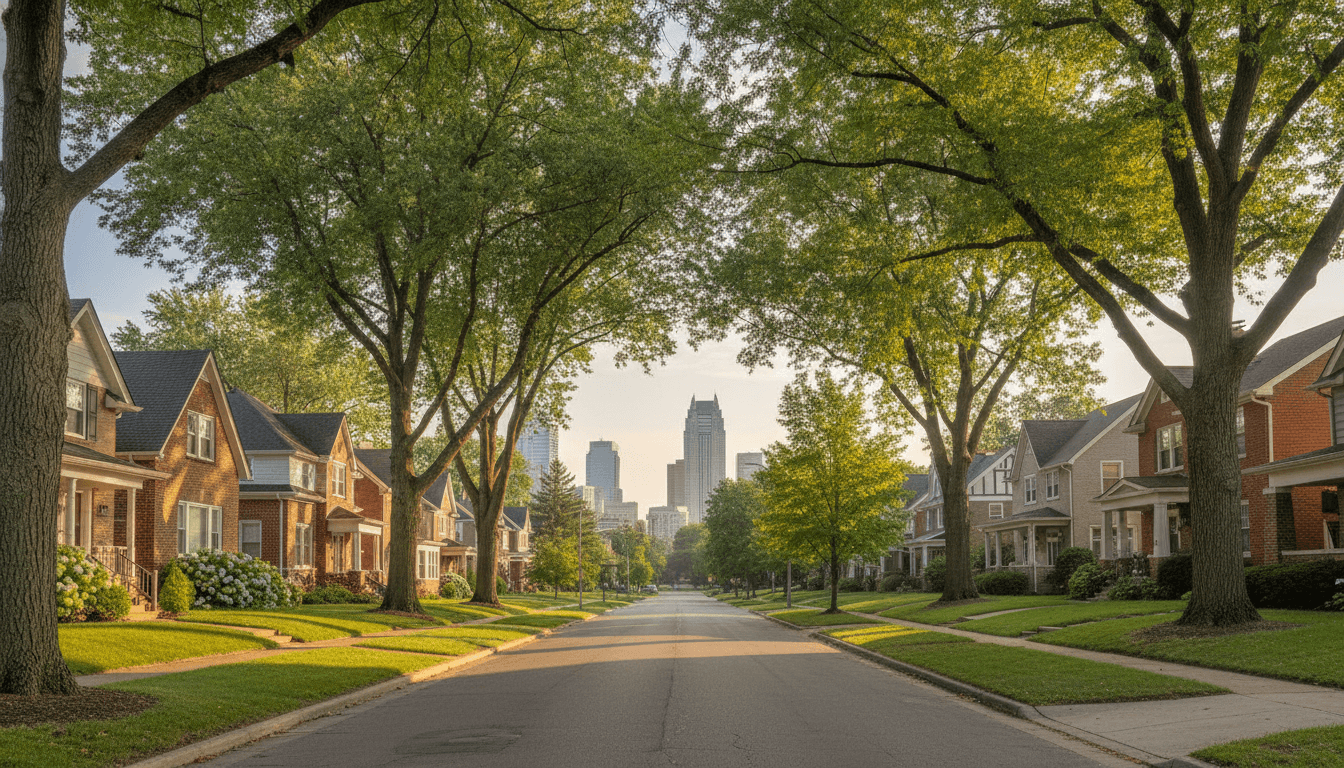
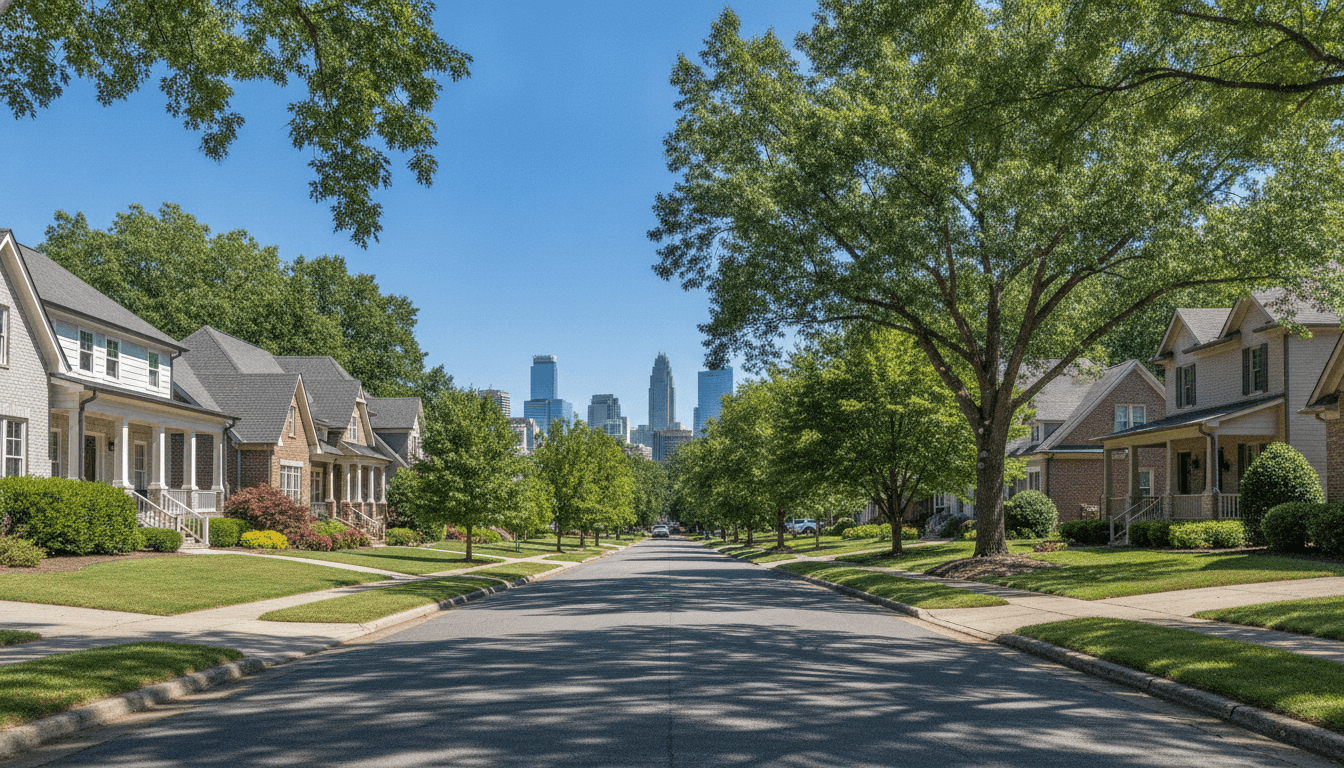
Established areas near Uptown keep appreciating because the supply of them is fixed. Tree-lined streets, older homes, and walkable business districts keep demand ahead of listings in places like NoDa, Dilworth, and Elizabeth.
Expect to pay for that scarcity. Even in a calmer market, the best-presented homes in these neighborhoods still draw multiple offers.
How Charlotte Stacks Up in the Sun Belt
Against Austin, Nashville, Tampa, and Phoenix, Charlotte looks like the steadier bet in 2026. Several of those metros overbuilt or overheated and then watched prices retreat, while Charlotte's climb was less extreme on the way up and flatter on the way through.
Relative value is part of the case. Charlotte's medians remain below several peer Sun Belt metros, while its finance-driven wage base runs strong for the region. Buyers weighing multiple relocation cities notice that ratio, and our market guides break down how other metros compare on the same points.
The airport strengthens the case further. Charlotte Douglas is one of the busiest hubs in the country, and easy nonstop access matters to relocated workers who still fly back to the Northeast regularly.
The Outlook Through 2026
The likely path is continued modest appreciation with gradually rising inventory. Builders will keep delivering in the outer ring, which caps runaway price growth, while close-in scarcity keeps the premium neighborhoods firm. A meaningful rate drop would tighten everything quickly, since plenty of would-be buyers are waiting on the sidelines.
Sellers should price to the current market and invest in presentation, because buyers now have alternatives. Buyers should use the calmer pace to inspect thoroughly and negotiate concessions where a listing has been sitting.
Watch the South Carolina side of the metro too. Fort Mill, Tega Cay, and Rock Hill keep pulling buyers with lower property taxes and shorter commutes than many expect, and that spillover shows no sign of slowing.
Frequently Asked Questions
Is Charlotte still a seller's market in 2026?
Mostly balanced, with pockets of seller strength. Well-priced homes in close-in neighborhoods still move fast, while outer-ring resales competing against builder incentives give buyers real leverage.
Are people still moving to Charlotte from the Northeast?
Yes, and it remains one of the market's defining forces. Finance transfers, remote workers, and equity-rich sellers from pricier metros continue to arrive, which supports demand even with rates elevated.
Should I buy new construction or resale in Charlotte?
Run the full monthly payment both ways before deciding. Builder rate buydowns in towns like Fort Mill or Indian Trail can produce a lower payment than a cheaper resale, but resale homes usually win on location and lot size.
Will Charlotte home prices fall?
A broad drop would take an economic shock that the local picture shows no sign of. The more realistic risk is flat stretches in oversupplied new-construction corridors while established neighborhoods keep grinding higher.