Nashville Housing Market: Prices & Days on Market
The Nashville, TN housing market sits at a $450K–$480K median in 2026. Inventory is up 13–18%, and 69% of homes close under list price. Here's what buyers and sellers should know.
The Nashville, TN Housing Market: What to Expect in 2026
The median sale price in the Greater Nashville area sits between $450,000 and $480,000 as of mid-2026. Active inventory has expanded over the past twelve months, giving house hunters more options than they had during the pandemic years. Buyers now have more leverage to negotiate terms, while sellers face longer listing times.
Interest rates remain steady in the 6.25% to 6.75% range, shaping how much buyers can afford per square foot. New construction condos in the urban core and established single-family homes in the suburbs are both seeing shifts in demand. Understanding the Nashville, TN housing market helps buyers and sellers make informed decisions.
Current Prices and Inventory Levels
Active inventory across the metro area is up 13% to 18% compared to 2025. This increase in available homes has created a somewhat competitive but balanced environment for buyers and sellers. Buyers have more time to view properties, and multiple-offer situations are less common than they were a few years ago.
Homes sold in April 2026 spent an average of 33 to 57 days on the market before going pending. Sellers should expect their properties to take a month or two to attract a solid offer. Accurate initial pricing is the best way to prevent a home from sitting unsold for an extended period.
What Buyers Are Looking For Right Now
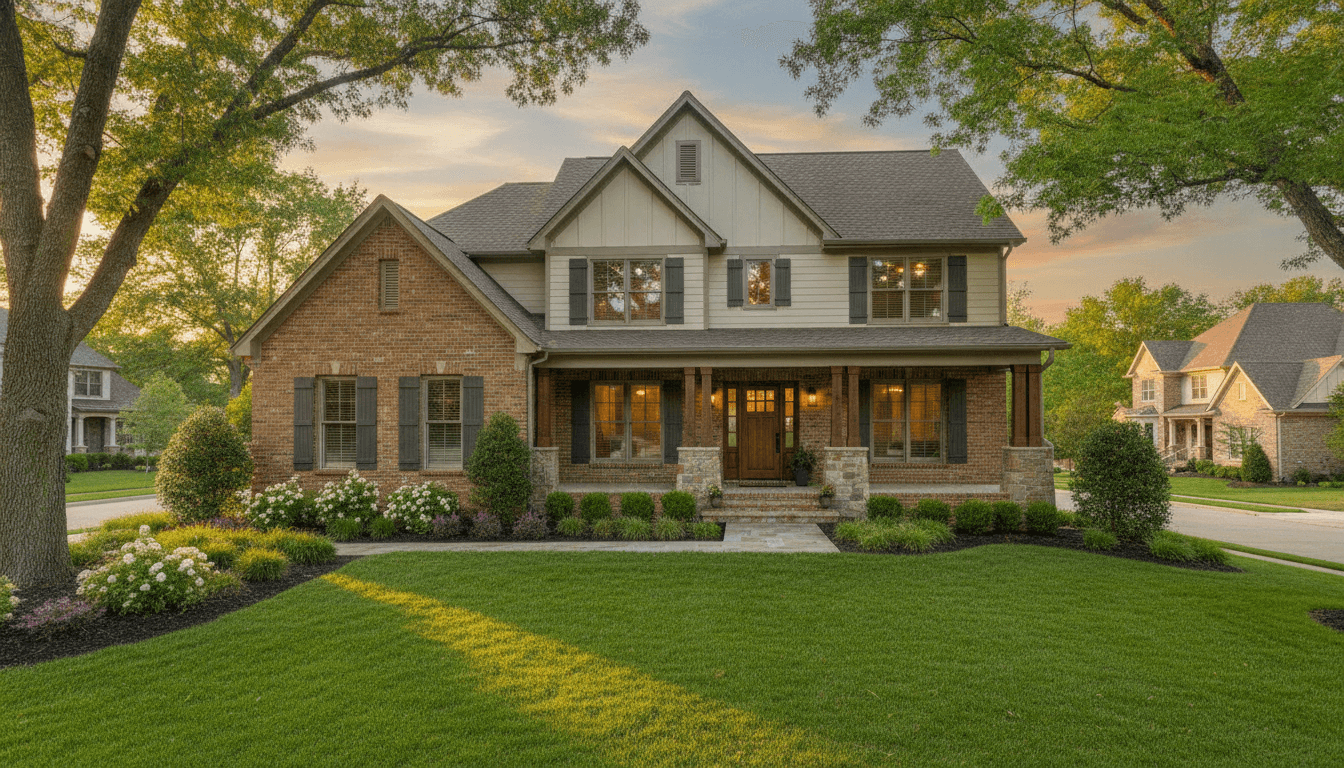
Single-family homes in the established suburbs of Davidson County continue to draw steady interest. Meanwhile, the downtown core offers a growing supply of high-end new construction condos. Buyer negotiating power shifts depending on the specific property type, its condition, and its exact location.
Sellers of older properties frequently accept price cuts or offer concessions to close the deal. Current market data shows the median list-to-sale price ratio is roughly 97.9%. Approximately 69% of sales close under the initial list price, indicating that price adjustments are standard during negotiations.
Location Features That Impact Prices
Property values across Greater Nashville depend on proximity to core infrastructure and amenities. Buyers frequently target specific zip codes based on average commute times and local property tax rates. Recent zoning updates have also spurred new housing developments near expanding public transit lines.
Access to major highways and large outdoor recreation areas consistently supports higher home values. Buyers are willing to pay a premium for locations that simplify their daily routines.
- Commuting corridors along I-40 and I-65 reduce travel times to downtown employment centers.
- Properties near major green spaces like Centennial Park and Shelby Bottoms Greenway command higher prices per square foot.
- School district assignments directly influence buyer demand in suburban neighborhoods.
Advice for Buyers and Sellers This Year
Buyers should review their credit score and debt-to-income ratio before applying for home loans. Securing pre-approval clarifies your budget and shows sellers you are a serious candidate. With interest rates hovering between 6.25% and 6.75%, exploring different financing options can lower your monthly mortgage payments.
Sellers should work with a local real estate agent to review recent real estate appraisal data. Pricing a home too high often results in the listing dropping in search rankings as days on the market accumulate. Setting a realistic price from day one helps attract qualified buyers immediately.
Comparing Rent Costs to Homeownership
The local rental market has softened as thousands of new apartment units open across the metro area. Renters comparing their current lease to homeownership costs should calculate home insurance, property tax, and homeowner association fees. Purchasing a home requires upfront cash for down payments and transfer taxes, but it builds long-term equity.
Financing a purchase involves specific down payment requirements depending on the loan type. Conventional mortgages often require 5% to 20% down, while Federal Housing Administration loans require just 3.5%. Buyers looking at downtown condos must also verify owner-occupancy ratios, as some developments restrict investor purchases.
Frequently Asked Questions
Are home prices falling in Nashville?
Median prices remain relatively stable in the $450,000 to $480,000 range, though individual sellers are offering more concessions. Buyers frequently secure homes for about 2% under the asking price. A complete market drop is unlikely due to steady relocation demand.
What salary do you need to live comfortably in Nashville, TN?
A household income of at least $90,000 to $110,000 is typically necessary to comfortably afford a median-priced home here. This accounts for current interest rates, local property taxes, and standard utility costs. Buyers carrying auto or student loan debt will likely need a higher gross income.
Will 2026 be a housing boom?
The current year is characterized by balanced growth rather than a rapid boom. Active inventory has reached a multi-year high, giving buyers plenty of choices without the frantic bidding wars seen in the past. Sellers can still secure strong returns if their properties are updated and priced correctly.