Real Estate
Why a New Construction Buyer Agent Is Worth It in 2026
A new construction buyer agent costs you nothing at most builders and can save thousands on incentives, upgrades, contracts, and inspections. Here's how.
Why a New Construction Buyer Agent Is Worth It in 2026
Builders across the country are sitting on more finished homes than they have carried in years, and they are competing for buyers with rate buydowns, closing cost credits, and free upgrade packages. That leverage only helps you if someone at the table understands how builder deals are structured and is paid to be on your side.
The friendly consultant in the model home is not that person. Builder sales reps are licensed to represent the builder, and everything they do, from the tour to the contract signing, is set up to protect the builder's margin.
A new construction buyer agent fills that gap. In most cases the builder pays the agent's fee, so representation costs you little or nothing out of pocket, and a good agent can save you thousands on incentives, upgrades, and contract terms you would never know to question.
What a New Construction Buyer Agent Does
A buyer agent on a new build handles far more than unlocking doors. They review the builder's purchase agreement before you sign it, push for incentives the sales office did not volunteer, and flag lot premiums or upgrade pricing that runs above what comparable communities charge.
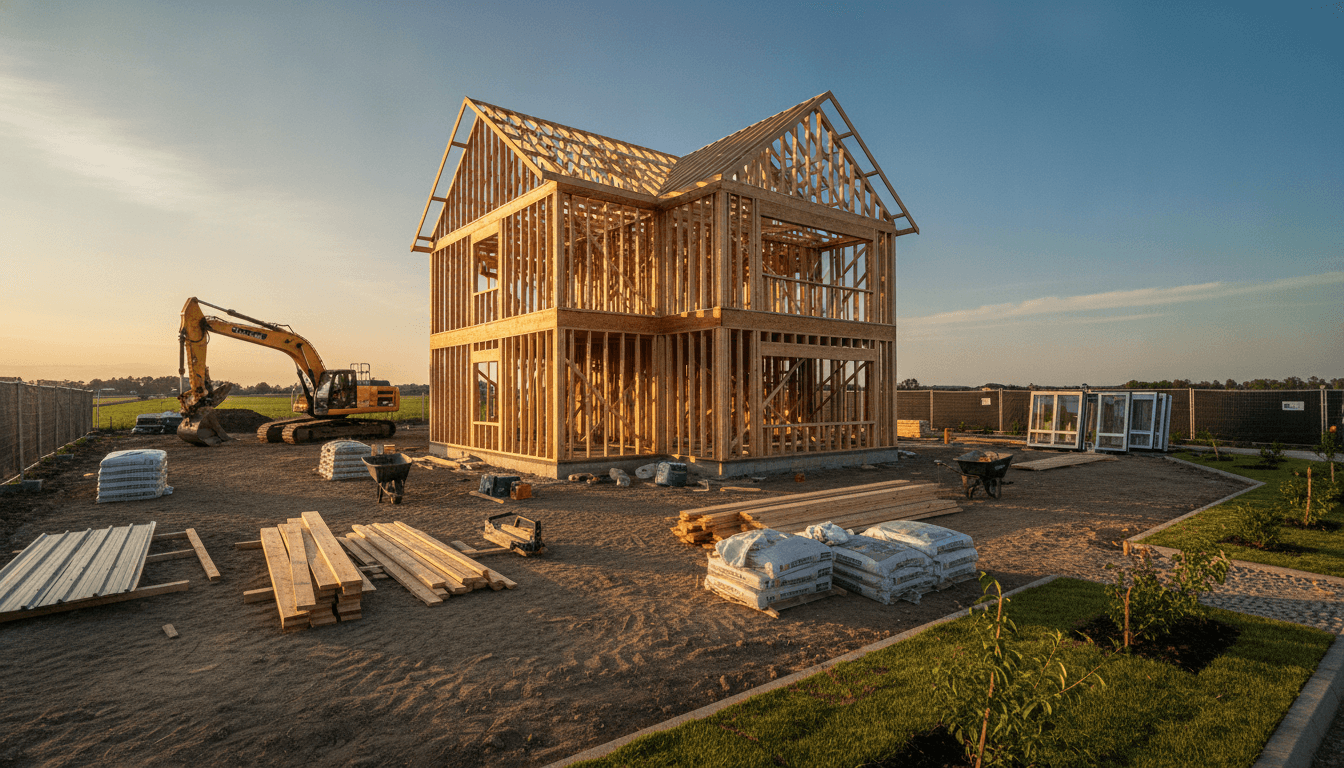
During construction, the agent becomes your project watchdog. They track build milestones, schedule independent inspections at the right stages, and attend the pre-drywall and final walkthroughs so problems get documented while the builder still has to fix them.
The agent also protects your resale value. They know which floor plans in a community have sold fastest on the resale market, which upgrades return their cost, and which ones never do. That perspective is worth as much as any single negotiation win.
The Model Home Sales Rep Works for the Builder
Walk into any model home in Dallas, TX or Charlotte, NC and you will meet a polished, helpful sales consultant. That person is an employee or licensed agent of the builder, which means their legal duty runs to the builder, not to you.
This matters most on your first visit. Most large builders require your agent to accompany you or register you as their client the first time you tour a community. Show up alone, sign the visitor log, and many builders will refuse to pay for representation you try to add later.
The fix is simple. Before you visit any new community, tell your agent where you are going so they can register you, or bring them along for the first tour. A two-minute registration preserves your right to representation for the entire deal.
Sales reps are not villains, and many are genuinely knowledgeable about their product. They are simply on the other team, and treating their advice as neutral guidance is how buyers end up paying full price for a home the builder was prepared to discount.
Where a Good Agent Saves You Money
Builder pricing looks fixed because the base price rarely moves. The real negotiation happens in the margins: incentives, closing costs, upgrades, and lot fees, and that is where an experienced agent earns their keep.
An agent who works new construction regularly also knows what each builder in your market has agreed to recently. If the same builder covered $15,000 in closing costs for a buyer two streets over last month, your agent will ask for it. You would have no way to know that deal existed.
Negotiating Incentives Instead of Price
Builders protect their base prices because every discount resets the comparable sales for the whole community. They are far more flexible on things that never show up in the public record, like mortgage rate buydowns, paid closing costs, or free appliance and blind packages.
A skilled agent frames requests in the form builders prefer. Asking for a 2-1 rate buydown or $10,000 toward closing costs often succeeds where a request to cut the price by the same amount gets an instant no.
The Design Center and Upgrade Pricing
Design center visits are where new build budgets fall apart. Upgrade pricing frequently runs well above retail, and a buyer choosing flooring, cabinets, and counters in a two-hour appointment has no time to comparison shop.
Your agent can tell you which upgrades to buy from the builder, such as structural changes and anything behind the walls, and which to do after closing for less. Adding a covered patio during construction usually makes sense. Paying triple retail for light fixtures usually does not.
Lot Premiums and Phase Timing
Corner lots, greenbelt views, and cul-de-sac positions carry premiums that can run from a few thousand dollars to $50,000 or more in some markets. Some of those premiums hold their value at resale and some evaporate.
Timing matters too. Builders get motivated near the end of a quarter and near the end of a community's final phase, and an agent who tracks those cycles can time your contract for the deepest incentives.
Builder Contracts Read Nothing Like Resale Contracts
A resale purchase in most states uses a standardized form drafted to balance both sides. A builder contract is drafted by the builder's attorneys, and it favors the builder on nearly every page.
Deposits are one example. Resale earnest money often runs around 1% of the price, while builders commonly ask for $5,000 to $15,000 on inventory homes and 5% to 10% on homes built to order, with far fewer ways to get it back if you walk.
Completion dates are another. Most builder contracts give the company wide latitude on delivery timelines, sometimes stretching many months past the estimate, while your rate lock and lease timing hang in the balance. An agent will push for defined outside dates and remedies where the builder allows it.
Then there are the tie-ins. Builders often condition their best incentives on using their affiliated lender and title company, which can be a fine deal or a mediocre one. Your agent should have that lender's offer compared against at least two outside quotes before you commit.
Inspections Still Matter on a Brand-New House
New homes pass municipal code inspections, and buyers frequently assume that means the house was checked thoroughly. Code inspectors verify minimum standards in limited visits, and they miss things a private inspector paid to work for you will catch.
A strong new construction inspection plan has three stages. A pre-drywall inspection checks framing, plumbing, wiring, and ductwork while they are still visible, a final inspection catches defects before closing, and an 11-month inspection documents warranty claims before the builder's one-year workmanship coverage expires.
Buyer agents who work new builds keep a short list of inspectors who know builder construction, and they make sure the contract preserves your right to inspect. Some builder agreements limit inspection access unless your agent negotiates it up front.
Who Pays Your Agent on a New Build
Since the commission rule changes that took effect in 2024, buyers sign a written agreement with their agent that spells out the fee before touring homes. That agreement applies to new construction the same as resale.
The good news is that most builders still offer to pay buyer agent compensation, typically in the range of 2% to 3%, because agents bring them a steady stream of qualified buyers. The builder treats it as a marketing cost, and it is usually already baked into their pricing whether you bring an agent or not.
Confirm the details before your first community visit. Your agent should verify what the builder is offering, and your representation agreement should state what happens in the rare case a builder pays less than the agreed fee.
How to Pick an Agent for New Construction
Experience with your specific builders matters more than years in the business. Ask any candidate which communities they have closed in over the past year, how those builds went, and what incentives they negotiated on their last three new construction deals.
Local knowledge should extend past the model home. A strong agent knows which communities carry special taxing districts or high HOA fees, how a builder's five-year-old neighborhoods are holding up, and what resale prices look like for the floor plan you want. If you are still comparing agents, our directory of top agents by state on the Top10REagents home buying blog is a good place to start.
Interview at least two agents before signing a representation agreement, and read the agreement's term and fee language closely. For deeper research on agents, financing, and inspections, work through each step before you sign anything.
Frequently Asked Questions
Do I pay more for the house if I use my own agent?
No. Builder pricing is set community-wide, and the buyer agent fee is a planned marketing expense, so buyers without agents pay the same base price. Builders almost never pass that savings to an unrepresented buyer because a visible discount would reset comps for the whole neighborhood.
Can I add an agent after I already visited the model home?
Often not, which is why the first visit matters so much. Many builders enforce a procuring cause policy that denies agent compensation if you registered alone, though some will make an exception if you ask within a few days. Call the sales office and your agent immediately if you slipped up.
Is a home inspection worth it on a brand-new house?
Yes, and ideally more than one. Private inspectors routinely find issues code inspections missed, from HVAC ducts that were never connected to missing insulation, and a pre-drywall visit plus a final inspection typically costs $700 to $1,000 combined. That is small insurance on a purchase this large.
Will the builder negotiate at all in 2026?
On extras, yes. With completed inventory elevated in many metros this year, builders in markets like Phoenix, AZ and San Antonio, TX have been offering rate buydowns and five-figure closing cost credits, especially on homes that can close within 60 days. The base price moves last, so aim your requests at incentives first.