Market Analysis
Jacksonville, FL Housing Market 2026: Prices, Trends and Forecast
Jacksonville, FL housing market 2026: prices Florida buyers can work with, looser inventory, rising insurance costs, and a balanced late-year outlook.
Jacksonville, FL Housing Market 2026: Prices, Trends and Forecast
Florida has plenty of housing markets where prices left ordinary budgets behind years ago. Jacksonville is the notable exception among the state's big metros, and that affordability gap is the main reason the Jacksonville, FL housing market keeps drawing steady attention in 2026. People priced out of Tampa, Orlando, and South Florida keep finding their way here.
The year so far has brought a looser, more workable market. Inventory has grown, sellers have adjusted expectations, and buyers finally have time to think before they offer. Insurance costs are the complication running underneath all of it, and they deserve as much attention as the list price.
Prices Stay Within Reach for Florida
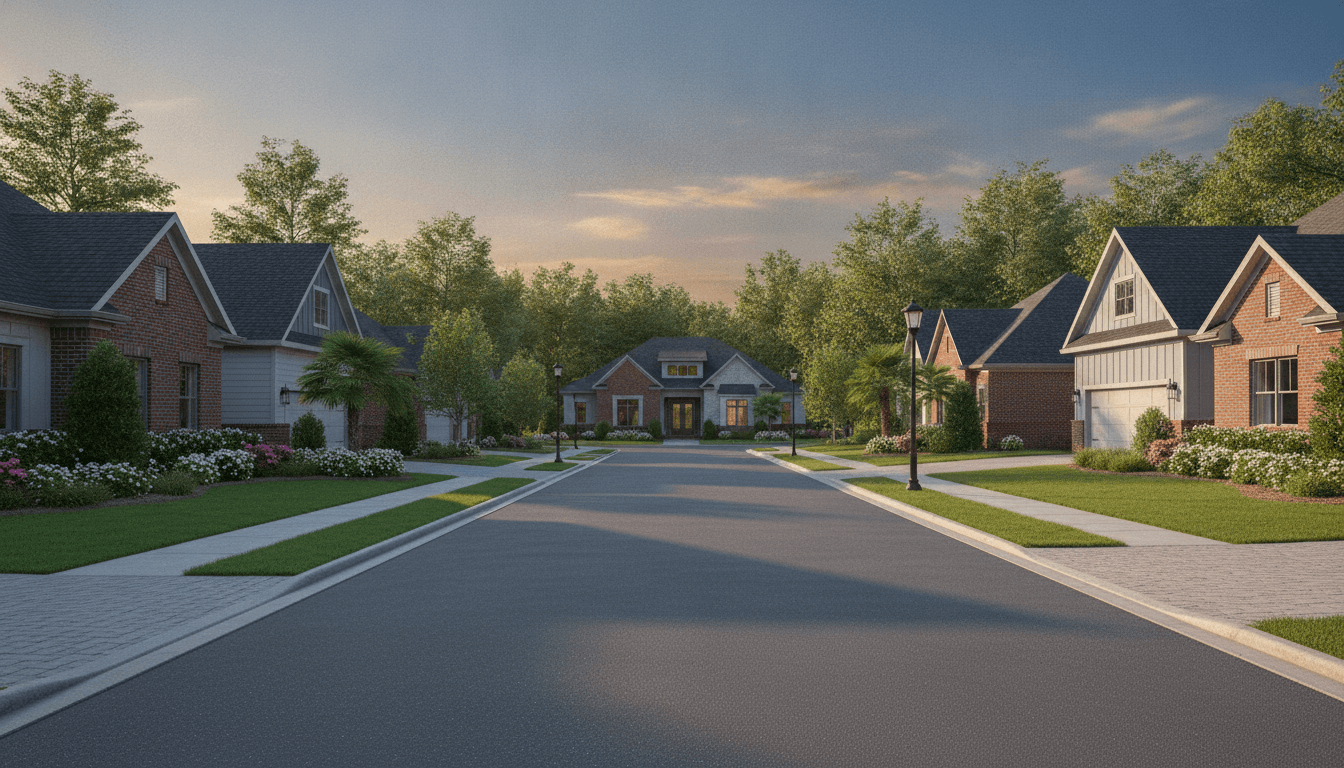
Typical homes across the Jacksonville metro sell in the low to mid $300Ks, with plenty of variation by area and condition. Beach communities and the fast-growing parts of St. Johns County run well above that, while established Westside and Northside neighborhoods come in below it. By Florida big-metro standards, those numbers are hard to beat.
Price growth has slowed to a crawl compared with the pandemic years. Values in most areas are roughly holding their ground, with modest gains in the most in-demand locations and small declines where inventory has piled up. Flat is the honest one-word summary.
What that money buys is the real story. A mid $300Ks budget here can land a three-bedroom house with a yard, where the same amount buys a small condo in several other Florida metros. That difference is what keeps relocation searches landing on Jacksonville.
Inventory Has Loosened Up
Listings have climbed across the metro, and homes now take noticeably longer to sell than they did during the rush. Buyers can tour a house twice, sleep on it, and often still find it available the next week. Two years ago that was rare.
New construction adds to the choice. Builders remain active in St. Johns County, Clay County, and Nassau County, where master-planned communities keep opening new phases. Resale sellers in those areas are competing with the sales office down the road, incentives included.
Insurance Is the Line Item That Changes Budgets
Homeowners insurance in Florida has climbed for years, and Jacksonville has not been spared even though it takes fewer direct hurricane hits than South Florida. Premiums vary widely based on roof age, construction type, wind mitigation features, and flood zone. On some older homes, insurance now rivals property taxes in the monthly payment.
Smart buyers get insurance quotes before making an offer, not after. A house with a brand-new roof and modern wind mitigation can cost hundreds of dollars a month less to insure than a similar home with a fifteen-year-old roof. Sellers who replace an aging roof before listing often earn that money back in a faster, cleaner sale.
The Employment Base Underneath the Demand
Jacksonville's demand has a steady backbone: the military, the port, and a growing white-collar sector. Naval Air Station Jacksonville and Naval Station Mayport bring a constant rotation of arriving and departing households, which keeps both the sales and rental markets moving. Few metros get that kind of built-in turnover.
Logistics and finance round out the picture. Port activity, distribution centers along the interstate corridors, and large banking and insurance employers give the region a mix that does not depend on any single industry. In-migration from other states has stayed positive on top of that.
Areas Drawing the Most Interest
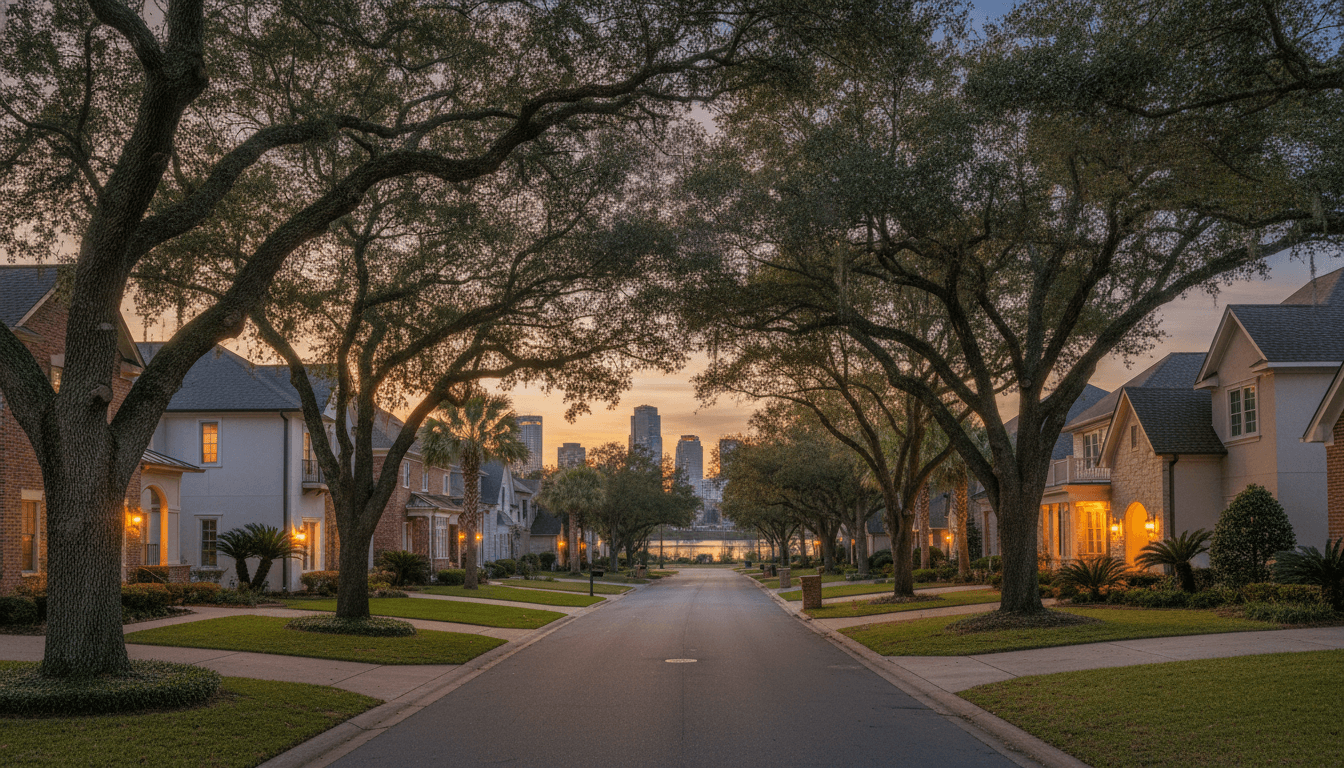
The beach towns east of the city, including Jacksonville Beach, Neptune Beach, and Atlantic Beach, stay in demand for their walkable cores and coastal access, and they are priced accordingly. Historic districts like Riverside, Avondale, and San Marco attract buyers who want older architecture, tree-lined streets, and short trips to downtown.
On the south side, neighborhoods near the St. Johns Town Center offer newer housing close to shopping and office employment. Buyers chasing the newest construction and amenity packages tend to look at Nocatee and the surrounding St. Johns County communities, where much of the metro's growth is concentrated.
The Outlook Through the End of 2026
Expect more of the same through December: near-flat prices, healthy inventory, and steady buyer traffic from in-state and out-of-state movers. Insurance costs and mortgage rates will keep a lid on how fast prices can climb, while in-migration and the employment base put a floor under demand.
Mortgage rates remain the swing factor to watch. A meaningful drop would pull sidelined buyers back quickly, since local price points leave more households within qualifying range than in most of Florida.
That tug-of-war points to a balanced market rather than a swing in either direction. For a broader view of how metros around the country are trending, browse more of our market breakdowns.
Smart Moves for Buyers
Quote insurance early and let it shape your search. Two homes at the same price can carry very different monthly costs once premiums and flood coverage enter the math. Favor newer roofs and documented wind mitigation where you can.
Use the slower pace to your advantage. Ask for repairs, ask for closing cost help, and walk away from sellers who will not engage. Another option will come along.
Smart Moves for Sellers
Condition and insurability sell houses here now. Handle the roof question before you list, gather your wind mitigation report, and price against current comps rather than pandemic-era memories. Buyers in this market compare, and your listing needs to survive the comparison.
Timing matters less than preparation. A well-presented home priced to the last ninety days of sales will find its buyer in any month of the year here.
Jacksonville Housing Market FAQ
How affordable is Jacksonville, FL compared to other Florida metros?
It is one of the most affordable big metros in the state. Typical homes in the low to mid $300Ks come in well under what similar properties cost in Tampa, Orlando, or Miami.
How much should I budget for home insurance in Jacksonville?
Premiums vary too much by roof, construction, and flood zone to give one number, so get quotes on specific homes before offering. Newer roofs and wind mitigation credits can cut the cost by a wide margin.
Is Jacksonville a buyer's market or a seller's market in 2026?
It sits close to balanced, with a slight lean toward buyers in areas carrying lots of new construction. Well-priced homes in the beach towns and historic districts still sell quickly.
Why do so many people keep moving to Jacksonville?
The combination of coastal access, no state income tax, and prices below the state's other big metros does most of the work. Military assignments and job transfers add a steady stream of arrivals on top.