Market Analysis
Dallas, TX Housing Market 2026: Prices, Trends & Forecast
See where the Dallas housing market stands in 2026, with median prices near $415K, rising inventory, builder incentives, and a full forecast.
Dallas, TX Housing Market 2026: Prices, Trends & Forecast
The Dallas housing market has shifted from the frenzied bidding wars of a few years back into something calmer and more workable for buyers. Across the Dallas-Fort Worth-Arlington metro, the median sale price for a single-family home sits around $415,000 to $420,000 as of mid-2026 according to figures reported by Redfin and Realtor.com. That number is roughly flat to slightly up year over year, a big change from the double-digit jumps that defined the early 2020s.
What makes this market interesting right now is the balance. Inventory has climbed sharply, homes are taking a bit longer to sell, and sellers no longer set every term. At the same time, the metro keeps adding jobs and people at a pace that supports prices from underneath. If you are buying or selling here in 2026, understanding where that tension sits is the whole game.
Where Prices Stand Across the Metro
Price depends enormously on which part of the metro you are shopping. The Dallas-Fort Worth median lands near $415,000, but that single figure hides a wide spread. Local MLS reports show starter and mid-tier homes across the Dallas, Plano, and Irving corridor softened a little over the past year, with some segments down around 3 percent, while the luxury tier posted gains closer to 3.5 percent.
Inside the city of Dallas itself, the median single-family price runs a little higher than the broader metro, in the low $430,000s by some measures. Collin County, which covers Plano, Frisco, McKinney, Allen, Prosper, and Celina, sits at the top of the price stack. Frisco and McKinney routinely clear $400,000 by a comfortable margin.
The takeaway for buyers is simple. A $420,000 budget stretches very differently in Oak Cliff than in Frisco, and the "Dallas price" in a national headline probably does not describe the neighborhood you want.
Inventory, Days on Market, and the Shift Toward Balance
The single biggest story of this market is inventory. Available homes across the Dallas MSA have grown by more than 40 percent since early 2024, moving months of supply from a tight seller's number into the range most analysts call balanced. Depending on the source and submarket, DFW is running somewhere between 3.5 and 5 months of supply, with 5 to 6 months generally considered neutral.
Homes are also sitting longer. Dallas County listings are averaging around 37 days on market per early 2026 local reporting, and citywide Redfin figures put the typical Dallas home closer to 55 to 58 days before it goes under contract. Homes are drawing about two offers on average rather than the ten or twelve common at the peak.
For sellers, pricing right on the first try matters more than it has in years, since overpricing and waiting for a bidding war mostly produces price cuts now. For buyers, the longer timelines and thinner competition create real room to negotiate on price, repairs, and closing costs.
What Buyers Can Ask For Now
The negotiating leverage that vanished during the boom has partly returned. Seller concessions toward closing costs are common again, inspection requests are no longer automatically waived, and buyers who would have been steamrolled two years ago can ask for repairs and often get them.
That balance is uneven, though. Well-priced homes in the most in-demand school zones still move quickly and can draw multiple offers. The leverage lives mostly in the mid-tier and in areas with heavy new-construction competition.
New Construction Is Reshaping the Numbers
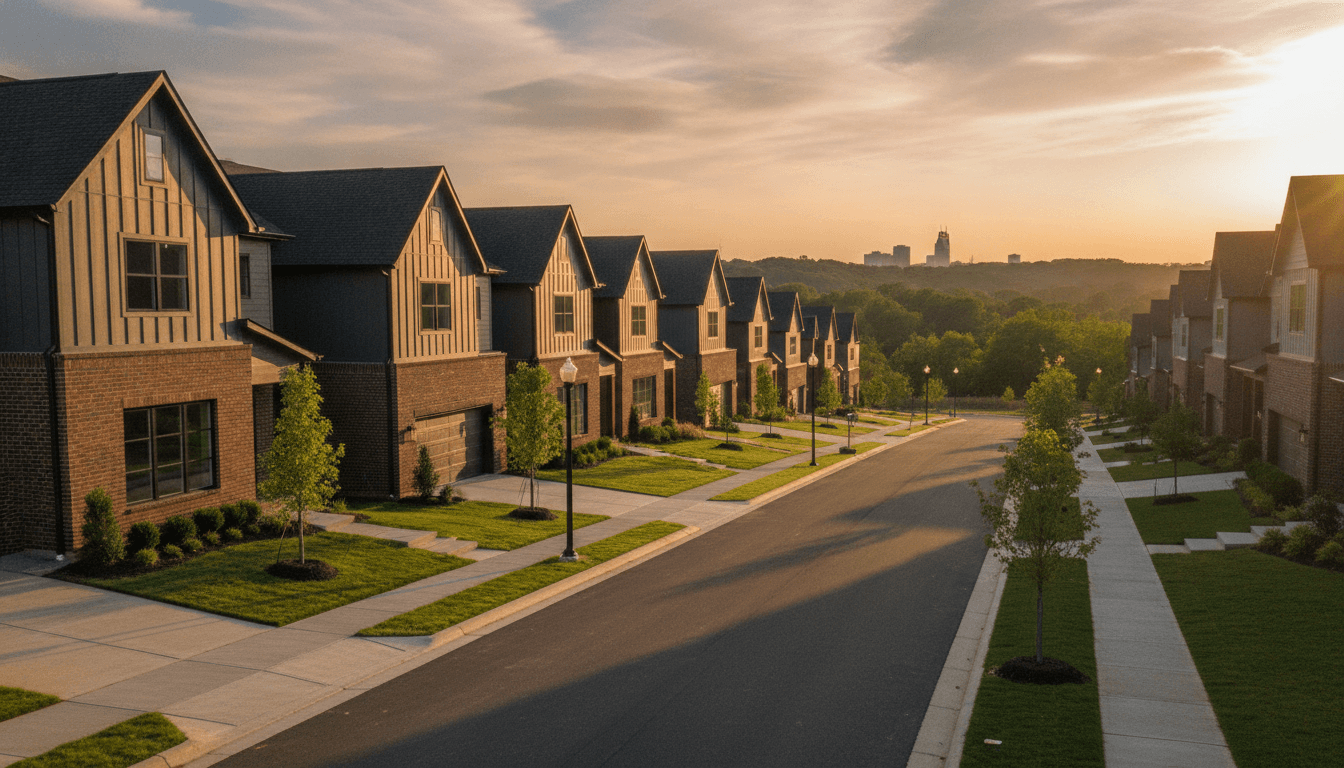
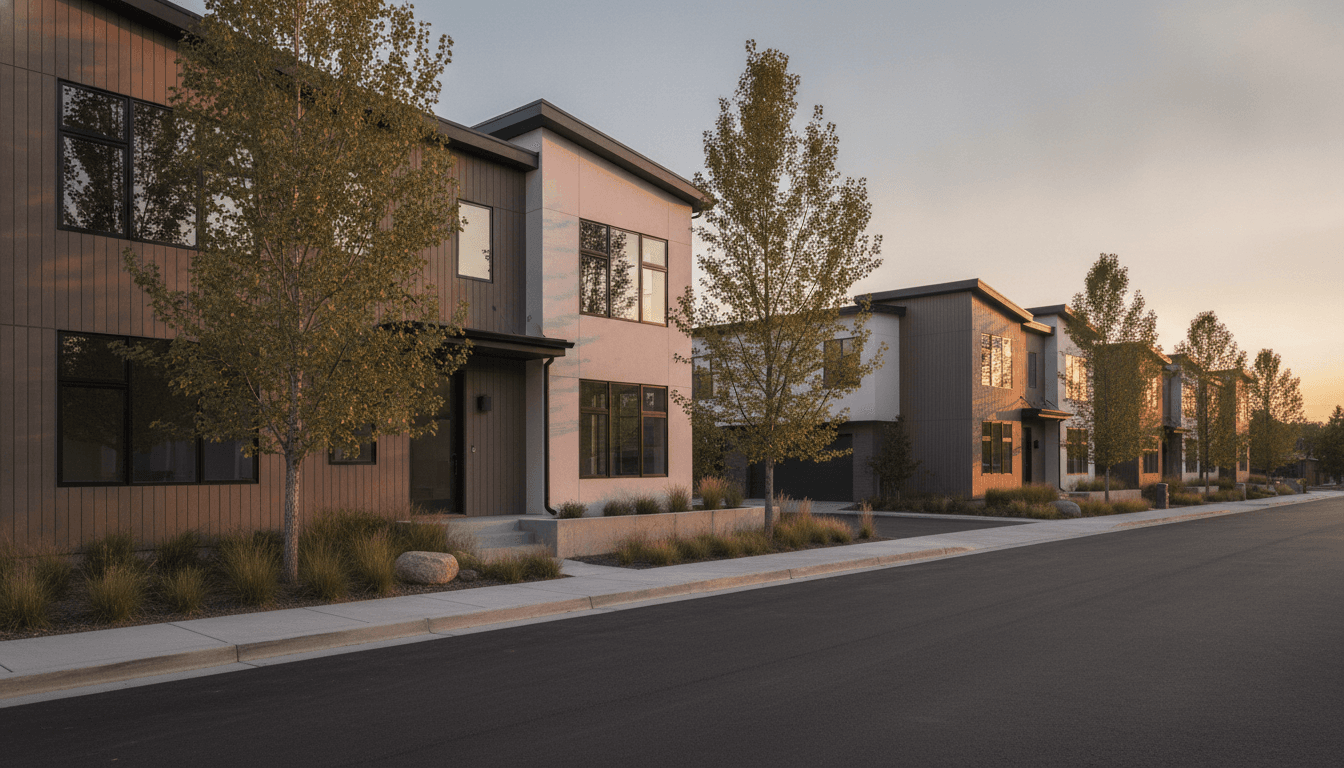
Builders are a huge part of the Dallas-Fort Worth story, and they are competing hard for buyers in 2026. New construction inventory across DFW has settled to roughly 5.2 months of supply, down from a peak above 7 months, and that overhang has pushed builders to sweeten their deals.
The incentives are the real headline. Local builder marketing has advertised mortgage rate buydowns dipping toward the mid-4 percent range on select inventory, along with closing-cost credits that can top $50,000 on higher-priced homes. When a resale seller down the street cannot match a builder offering a 4.75 percent rate, that changes the math for a lot of buyers.
Frisco, McKinney, Prosper, Celina, and Anna sit at the center of the building boom and lead the metro in new-home sales volume. If you are open to a new build, the incentive environment in these northern suburbs is one of the better opportunities in the current market. Just compare the total cost against a comparable resale rather than reacting to the advertised rate alone.
Jobs and Relocations Keep Demand Firm
The reason Dallas prices have not fallen further comes down to people and paychecks. The Dallas-Fort Worth metroplex added roughly 152,000 residents in 2025 by regional estimates, ranking it among the fastest-growing large metros in the country for several years running.
Employers are the engine behind that growth. Corporate footprints from Toyota, JPMorgan Chase, Goldman Sachs, Caterpillar, and McKesson have expanded across the metro, and the Dallas Regional Chamber reported more than 24,000 net new jobs in a single quarter heading into 2026. A steady pipeline of relocating workers, many in the $400,000 to $650,000 buying band, keeps a floor under demand even as inventory rises.
This is the counterweight to every "prices will crash" prediction. A metro adding well over 100,000 residents a year does not run out of buyers easily. Supply has caught up to demand, which cooled the fever, but the demand itself is still real.
Neighborhoods and Suburbs Worth Watching
The metro is enormous, so it helps to think in submarkets. Plano offers established neighborhoods and strong access to the corporate corridors along the Dallas North Tollway, and its prices reflect that demand. Frisco and McKinney carry some of the highest median prices in the region, driven by newer housing and the build-out north of the city.
Arlington sits between Dallas and Fort Worth and generally offers lower entry prices than the northern Collin County suburbs, plus proximity to the stadium and entertainment district. Closer to the urban core, Oak Cliff draws steady interest from buyers who want shorter commutes into downtown Dallas and older homes that often undercut the far-north suburbs on price.
Each of these areas is running on its own clock. Northern suburbs face the most new-construction competition, which gives buyers there extra leverage, while close-in neighborhoods with limited land for building tend to hold value more firmly.
Forecast for the Rest of 2026
Expect more of the same balance rather than a dramatic swing. Most analysts tracking the Dallas-Fort Worth market project median prices to finish 2026 within a few percentage points of where they started, with forecasts clustering between flat and about 2 to 4 percent appreciation by submarket. A minority see modest declines toward the second half of the year, mostly in overbuilt suburban pockets.
Mortgage rates are the wild card. Rates have hovered in the 6.5 to 7 percent range through much of the year, and even optimistic projections only bring the 30-year fixed down toward the low 6s. Any meaningful drop would pull sidelined buyers back in quickly and could firm up prices, while rates staying high would keep the current balanced conditions in place.
For buyers, the practical read is that waiting for a crash is a weak bet in a metro this healthy, though you do have negotiating room now that did not exist a couple of years ago. For sellers, realistic pricing and a willingness to offer concessions separate a clean sale from a listing that lingers. You can find more market breakdowns and buying guides on our blog.
Frequently Asked Questions
Is 2026 a good time to buy a house in Dallas, TX?
It is more favorable for buyers than the past few years because inventory is up over 40 percent since early 2024 and homes average roughly 37 to 58 days on market, which gives you room to negotiate. The trade-off is mortgage rates near 6.5 to 7 percent, so run the monthly payment carefully first.
How much does a home cost in the Dallas-Fort Worth area?
The metro median for a single-family home is roughly $415,000 to $420,000 in mid-2026 per Redfin and Realtor.com data, but the spread is wide. Collin County suburbs like Frisco and McKinney run well above $400,000, while parts of Arlington and Oak Cliff come in lower.
Are home prices in Dallas expected to fall in 2026?
Most forecasts call for prices to stay roughly flat to up about 2 to 4 percent through the rest of 2026, not a sharp drop. Strong job growth and a population gain of around 152,000 people in 2025 keep demand firm enough to support current price levels.
Why are builders offering such large incentives right now?
New construction inventory in DFW sits near 5.2 months of supply, down from a peak above 7 months, so builders are competing hard to move homes. That has produced rate buydowns advertised toward the mid-4 percent range and closing-cost credits topping $50,000 on some homes.