Market Analysis
Cincinnati, OH Housing Market 2026: Prices, Trends and Forecast on Both Sides of the River
Cincinnati, OH housing market 2026: metro prices near $300,000, neighborhood price tiers on both sides of the river, reappraisal tax impact, and a forecast.
Cincinnati, OH Housing Market 2026: Prices, Trends and Forecast on Both Sides of the River
The typical home across the Cincinnati, OH metro sells for roughly $300,000 this year, and that figure is the whole reason the region keeps landing on national "hottest market" lists. A buyer with a $300,000 budget in Columbus or Nashville is looking at a condo or a long commute. In Cincinnati that same budget still buys a three-bedroom brick house in a neighborhood with a business district you can walk to.
That affordability has a cost, and the cost is competition. Inventory across Hamilton, Butler, Warren, and Clermont counties in Ohio, plus Boone, Kenton, and Campbell counties in Northern Kentucky, has hovered near a month and a half of supply for most of the year. Well-priced listings under $350,000 routinely draw multiple offers within the first weekend.
So the Cincinnati, OH housing market in 2026 is two stories at once. It is one of the cheapest large metros in the country to buy into, and it is one of the hardest places to win a house once you decide to.
Why Cincinnati Keeps Showing Up on the Hot Market Lists
Home values across the metro have risen at a pace of roughly 5% to 7% a year since 2023, at a time when Sun Belt markets like Austin and Phoenix were flat or falling. Cincinnati never had the pandemic run-up that those markets had, so it never had the giveback either.
The employment base is a big part of the story. Procter & Gamble, Kroger, Fifth Third, Cincinnati Children's Hospital, and GE Aerospace all keep headquarters or major operations here, and the Amazon Air hub at CVG in Hebron, KY has added thousands of logistics jobs since it opened. Those employers hire year-round, which keeps relocating buyers arriving in a market that does not build many new houses.
Then there is the price-to-income math. Median household income across the metro sits around $75,000, which puts the typical home at roughly four times income, compared with seven or eight in Denver or Seattle. Buyers who ran the numbers elsewhere and gave up are moving here, often with equity that lets them outbid local first-time buyers.
What Homes Cost Across the Region
The single metro median hides a spread of more than $400,000 between neighborhoods that are only a 15-minute drive apart. Cincinnati is a city of hills and river valleys, and prices follow the topography almost as closely as they follow school district lines. The east side and the northeastern suburbs command the highest prices, the west side offers the most house for the money, and Northern Kentucky splits the difference.
Here is roughly where the typical sale lands in each area this year, understanding that any individual street can fall well outside these bands:
- Hyde Park, Mt. Lookout, Oakley, and Columbia-Tusculum: roughly $450,000 to $700,000, with renovated houses on the best streets clearing $1 million
- Indian Hill, Terrace Park, and Mariemont: roughly $700,000 to well over $2 million
- Mason, Loveland, Montgomery, Blue Ash, and Wyoming: roughly $400,000 to $600,000 for a typical four-bedroom
- West Chester, Liberty Township, Anderson Township, and Milford: roughly $325,000 to $475,000
- Northside, Pleasant Ridge, College Hill, and Norwood: roughly $225,000 to $350,000
- Westwood, Price Hill, Cheviot, and Delhi Township: roughly $150,000 to $250,000
- Fort Thomas, Fort Mitchell, and Villa Hills in Northern Kentucky: roughly $325,000 to $500,000
- Covington, Newport, and Latonia in Northern Kentucky: roughly $200,000 to $325,000
The East Side Premium
Hyde Park Square and the streets radiating out from it have been the most expensive part of the city for a century. A 1920s Tudor on a 50-foot lot that sold for $425,000 in 2019 is now trading in the $600,000s. The spillover has pushed Pleasant Ridge and Kennedy Heights up faster than almost anywhere else in Hamilton County.
Buyers at this tier should expect to compete with cash. Roughly a quarter of east side sales above $500,000 closed without a mortgage contingency last year, and that share has held.
The West Side Value Play
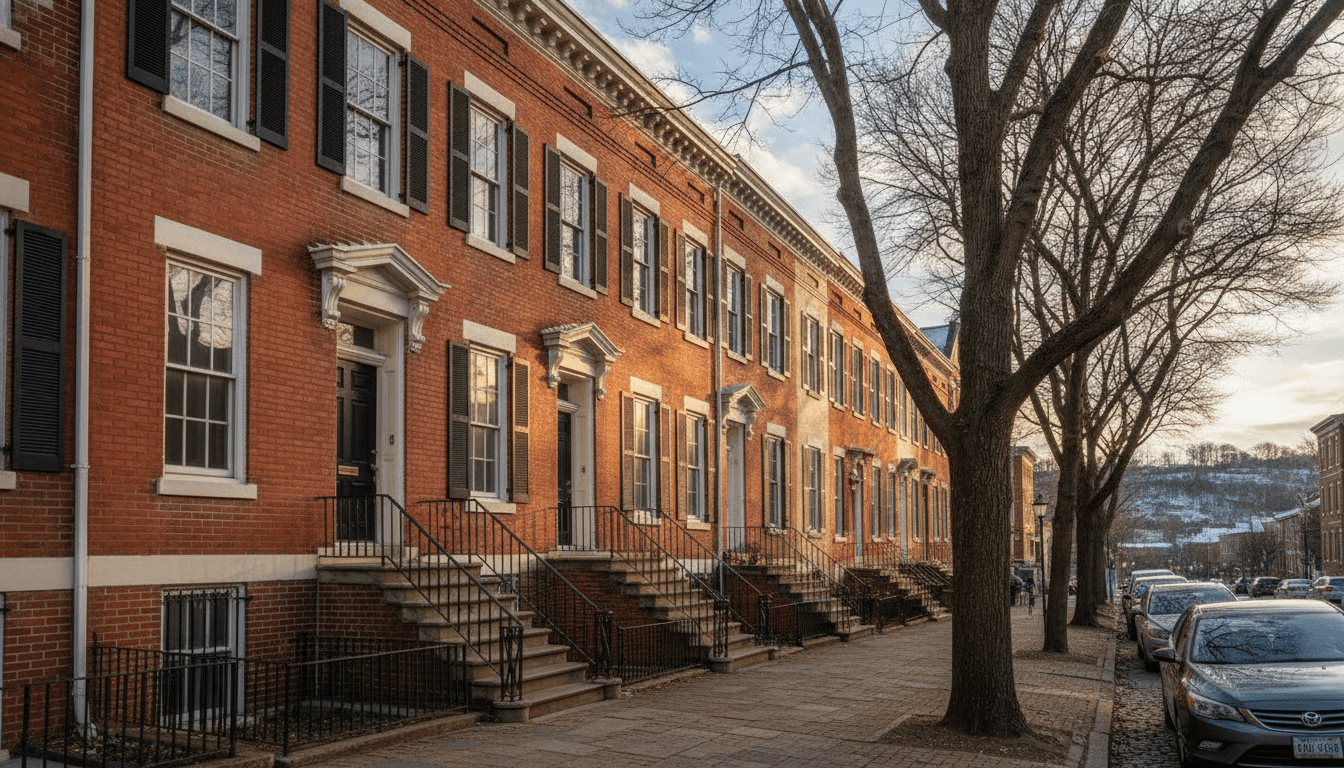
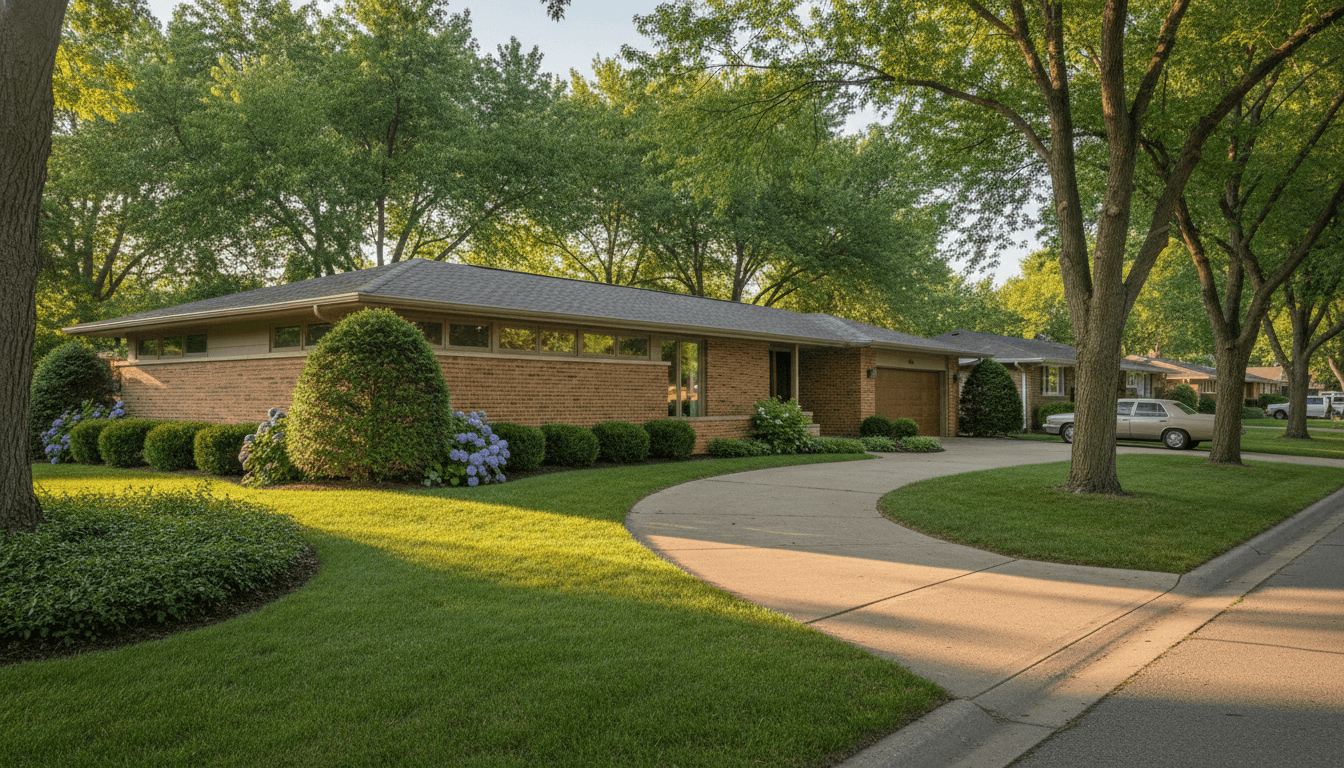
Westwood is the largest neighborhood in the city by population, and it still has street after street of solid 1920s and 1930s brick houses selling under $225,000. East Price Hill near the Incline District has renovated Italianate and Victorian houses in the $250,000 range that would cost twice that across town. Cheviot and Delhi Township offer post-war ranches and capes with a yard and a garage for buyers who want to stay under a $2,000 monthly payment.
Northern Kentucky's Two Markets
Fort Thomas and Fort Mitchell trade almost like east side suburbs, with older housing and typical sales now above $400,000. Covington and Newport are a different market, where rehabbed rowhouses near Mainstrasse Village and riverfront condos near the Newport Levee draw buyers who work downtown and want a short walk across the bridge. Kentucky property taxes are lower than Ohio's on a comparable house, which is one reason Boone County has been the fastest-growing county in the metro for a decade.
Old Houses and What They Cost to Own
Roughly 40% of the houses inside the I-275 loop were built before 1940, and the median year built across Hamilton County is 1958. That is the oldest housing inventory of any major Ohio metro, and it means the purchase price is only the start of the budget conversation.
Inspections on Cincinnati houses turn up the same short list over and over. Stone foundations in Northside, Clifton, and Price Hill often show moisture intrusion that needs drainage work rather than a patch. Knob-and-tube wiring is still active in a meaningful share of pre-1930 houses, and most insurers will not write a policy until it is replaced.
Two local items deserve their own line in the inspection budget. The Metropolitan Sewer District has spent years working through combined sewer problems, so a sewer lateral scope at around $250 can save a $10,000 replacement. Southwest Ohio also sits in the EPA's highest radon zone, and mitigation runs about $1,200 to $2,000 when a test comes back high.
Property Taxes and the Reappraisal
Hamilton County's 2023 reappraisal raised residential values by an average of about 28%, and owners felt the increase on bills paid in early 2024. This year the county auditor is running the triennial update, and preliminary indications point to another jump of 15% to 25% on many residential parcels. New values will show up on bills paid in 2027.
A higher appraised value does not translate one-for-one into a higher bill, because Ohio's tax reduction factors roll back voted millage as values rise. Most homeowners saw bills rise 5% to 12% after the last reappraisal rather than the full 28%. Lenders escrow on the current bill, so buyers should expect the monthly payment to move at the first escrow analysis after closing.
Effective rates vary widely by school district. A $400,000 house in Cincinnati Public Schools territory carries a bill of roughly $7,000 to $8,000 a year, while the same value in Indian Hill runs closer to $5,500 because of the district's low millage. Northern Kentucky rates are lower across the board, often under 1.2% of value.
New Construction Is Happening, Just Not in the City
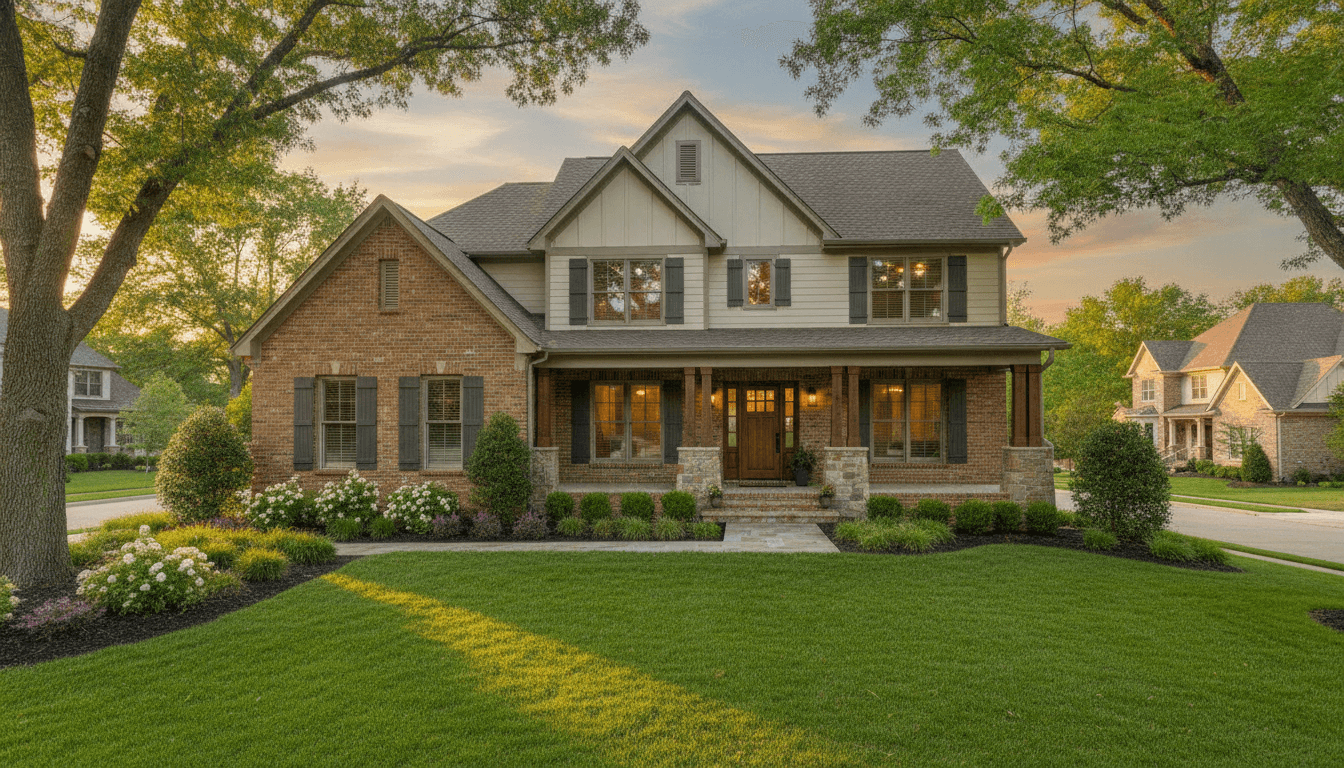
Almost all new single-family construction in the metro is in Butler and Warren counties in Ohio and Boone County in Kentucky. Liberty Township, Mason, Lebanon, and Union, KY have subdivisions where Fischer Homes, M/I Homes, and Drees are delivering four-bedroom houses in the $425,000 to $575,000 range. Inside the I-275 loop, new construction is mostly teardowns in Hyde Park and Oakley and a few townhome projects in Over-the-Rhine and Walnut Hills.
Builders have offered rate buydowns for most of the year, often a full point below the resale market. That has pulled some move-up buyers out of suburban resale, which is why a 20-year-old house in West Chester may sit longer than one in Anderson Township.
Rents, Investors, and the Rental Math
Cincinnati rents have grown faster than the national average for three years, with a typical two-bedroom apartment now around $1,350 a month and a three-bedroom single-family rental around $1,800. When a $200,000 house in Norwood or Westwood rents for $1,700, the math works for a small investor even at a 6.5% mortgage rate. Those investors compete with first-time buyers for the same inventory.
The city overhauled its residential tax abatement program in 2023 to focus incentives on neighborhoods that had seen less investment, which shifted renovation activity toward the west side and the near-north. Hamilton County also expanded its land bank, which has moved hundreds of vacant properties to owner-occupant buyers in Avondale, Evanston, and Price Hill at below-market prices with renovation requirements attached.
Where Prices Go From Here
The base case for the rest of 2026 and into 2027 is appreciation in the 4% to 6% range across the metro, with the west side and the Northern Kentucky urban core running a point or two above that and the top of the east side running a point or two below. Mortgage rates have settled in the low 6% range and have not moved enough this year to change buyer behavior.
The risk to that forecast is on the supply side. Warren County has enough new construction coming online that resale sellers there should expect longer marketing times and more price reductions by spring 2027. Hamilton County's older neighborhoods have no such supply relief on the horizon.
Two things could push the forecast higher. If rates drop into the mid-5% range, sidelined buyers in the $400,000 to $600,000 tier would re-enter faster than sellers, and the east side would see another year like 2024. And if the Brent Spence Bridge companion project stays on schedule, Covington and Newport should see a rerating as the crossing becomes a selling point rather than a headache.
I would not bet on a price decline in any part of the metro over the next 18 months. It would take a local employment shock or a sharp rate spike, and neither is on the horizon.
Practical Moves for Buyers and Sellers
Buyers under $350,000 should be pre-approved, not pre-qualified, before their first showing, and should ask their lender about an appraisal gap clause. Sellers in that tier are accepting offers within three to five days of listing, and the winning offer is usually the one with the fewest contingencies rather than the highest number. An inspection limited to major systems and a 21-day close will beat a higher offer with a 45-day close on most streets.
Sellers should time the listing for the strongest week they can get. Cincinnati's spring market starts in late February, earlier than most northern cities, and the weeks from mid-March through the end of April produce the highest sale-to-list ratios of the year. The first two weeks of September are the second-best window and stronger than most sellers expect.
Anyone tracking this market should watch three numbers: months of supply, median days on market for Hamilton County, and the share of sales closing above list. When supply crosses three months and the above-list share falls under a third, the market has shifted. We keep those figures updated in our regional market coverage on the blog as new data lands.
Frequently Asked Questions About the Cincinnati, OH Housing Market
Is Cincinnati, OH still a seller's market in 2026?
Yes, in almost every price band under $500,000. Months of supply across the metro remain under two, and the typical Hamilton County listing goes under contract in about two weeks. Above $700,000 on the east side and in newer Warren County subdivisions, buyers have more leverage.
How much do I need to earn to buy a typical house in Cincinnati?
A $300,000 purchase with 10% down at a rate in the low 6% range produces a total monthly payment of roughly $2,300 including taxes and insurance. Most lenders want that under 30% of gross income, which points to a household income around $90,000. A first-time buyer in Westwood or Covington can get into a house on considerably less.
Are Northern Kentucky homes cheaper than comparable homes in Ohio?
Purchase prices for a similar house in a similar school district are usually within 5% either way, but the monthly cost is lower in Kentucky because of property taxes. A $400,000 house in Fort Thomas carries a tax bill around $4,500 a year, while a similar house in Anderson Township runs closer to $6,500. Kentucky's state income tax offsets some of that savings for high earners.
Should I wait for prices to drop before buying in Cincinnati?
Waiting has not paid off in this metro for over a decade, and nothing in the current data suggests a decline is coming. A buyer who waited from 2023 to now paid about 15% more for the same house at a similar interest rate. If your budget works and you plan to stay at least five years, the neighborhood and the inspection matter more than the timing.