Market Analysis
Indianapolis, IN Housing Market 2026: Prices, Trends and Forecast for Marion County and the Donut Suburbs
Indianapolis, IN housing market 2026: Marion vs Hamilton County prices, inventory and days on market, investors, property tax changes, and the forecast.
Indianapolis, IN Housing Market 2026: Prices, Trends and Forecast for Marion County and the Donut Suburbs
The Indianapolis, IN housing market in 2026 is a story about two markets sharing one name. Inside Marion County, the typical home sells in the mid $200,000s, listings sit a little longer than they did two years ago, and buyers are negotiating on price and repairs again.
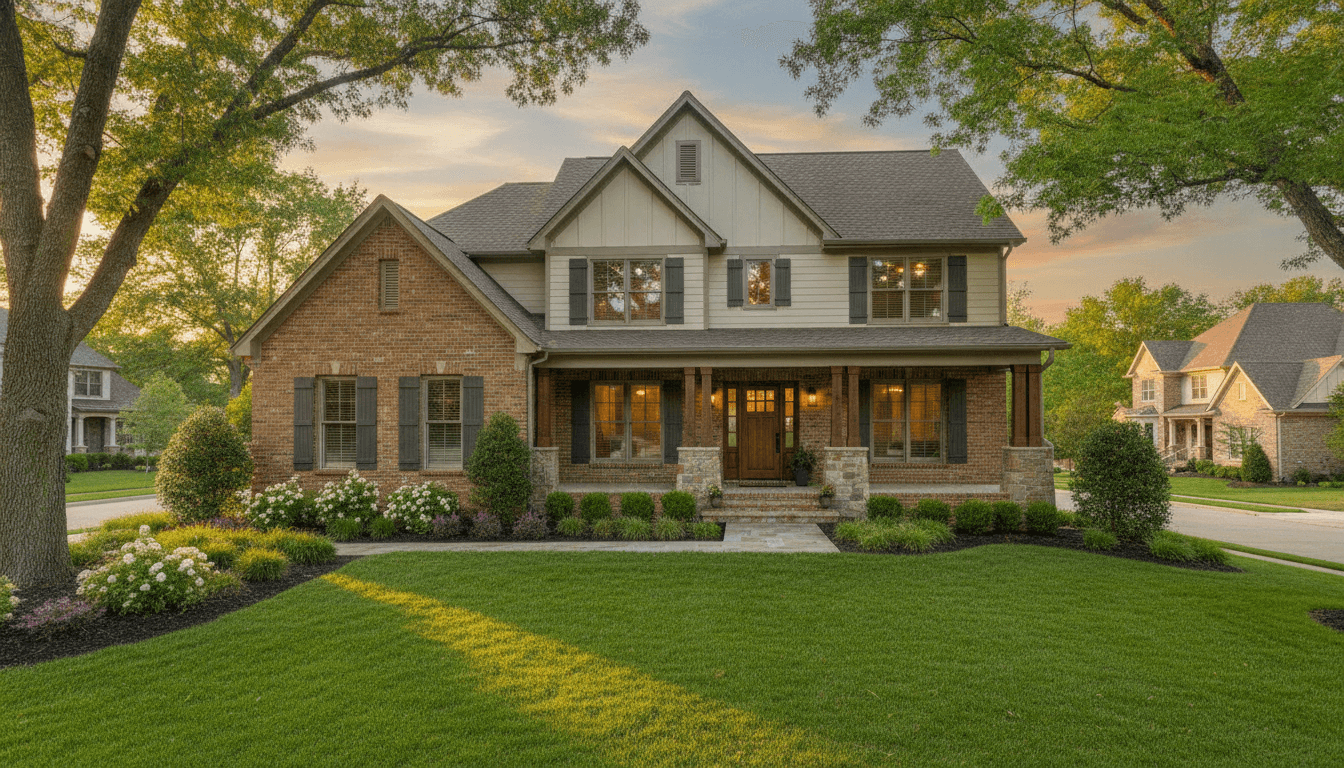
Cross into Hamilton County, and Carmel, Fishers, Westfield, and Zionsville are still trading above $450,000 with new construction setting the pace. The metro as a whole has held close to flat on price over the past year, which counts as stability after the run-up that ended in 2023.
What makes Indianapolis different from the coastal metros is how affordable it remains relative to income. A household earning the area median can still buy a median-priced home in most of the metro with a conventional loan, which is no longer true in Denver, Nashville, or Austin. That affordability has kept demand from collapsing under higher mortgage rates and keeps out-of-state buyers and investors interested.
What Homes Are Selling For Across the Metro
Marion County's median sale price sits around $250,000 to $265,000 in 2026 depending on the month, with wide variation by township. Meridian-Kessler, Broad Ripple, Irvington, and the near-east and near-north neighborhoods close to downtown trade from the $300,000s into the $600,000s for renovated homes. Far-eastside, far-westside, and south-side townships still have plenty of listings under $200,000.
Hamilton County is the metro's high end. Carmel's median is above $500,000, Zionsville in Boone County is similar, and Fishers, Westfield, and Noblesville sit in the $400,000s.
Hendricks County to the west, with Avon, Plainfield, and Brownsburg, runs in the $330,000 to $380,000 range. Johnson County to the south, with Greenwood, Franklin, and Bargersville, is a little below that, and Hancock County to the east around Greenfield and McCordsville is similar.
New construction is a major share of what is selling in the suburban counties. Builders in Westfield, Whitestown, McCordsville, and Bargersville have kept delivering, and their rate buydowns and closing cost incentives compete directly with resale listings in the same school districts.
Condos and Downtown
Downtown Indianapolis condos in Mass Ave, Fletcher Place, and along the canal trade from the low $200,000s to $600,000 and up for the newer buildings. The condo market has been slower than single-family, partly because of rising HOA fees and insurance costs, and partly because buyers who can stretch to a house in Irvington or Garfield Park often do.
Inventory, Days on Market, and Negotiating Room
Active listings across the metro are up meaningfully from the 2022 low, and the typical home now takes three to five weeks to go under contract rather than the days it took at the peak. That is still a balanced market by historical standards rather than a buyer's market, but it means buyers can ask for inspections, request repairs, and offer under list on homes that have sat for 30 days.
Sellers are adjusting. Price reductions are common on homes that were listed at 2022-style prices, and seller-paid rate buydowns and closing cost credits have become a standard negotiation tool in the suburbs where builders set the norm.
The rate lock-in effect is real here. A large share of Indianapolis owners hold mortgages under 4%, and they are not listing unless a job change or life event forces it. That keeps resale inventory tighter than the days-on-market numbers alone would suggest.
Investors and the Rental Market
Indianapolis has been one of the most popular metros in the country for out-of-state single-family rental investors for a decade, and their footprint is heaviest on the east and west sides of Marion County and in the older suburbs. In some far-eastside neighborhoods, a third or more of single-family homes are investor-owned.
That matters for buyers in two ways. Investors compete for the same sub-$200,000 listings a first-time buyer wants, often with cash. And investor-owned neighborhoods have more turnover and more deferred maintenance, which affects comps and inspections.
Rents have been rising more slowly in 2026 than in the previous few years, and some investors are selling. That has added inventory in the lower price tiers, which is one reason Marion County prices have stayed flat while Hamilton County keeps climbing.
Property Taxes After the 2025 Changes
Indiana's constitutional property tax caps limit homestead taxes to 1% of assessed value, and the 2025 legislative session added new deductions and credits that reduce homestead bills further over the next several years. The practical effect is that most Indianapolis homeowners will see lower or flat tax bills even as assessments rise, which improves the affordability math compared to states where taxes track values directly.
The trade-off is at the local level. Schools, libraries, and municipalities lose revenue under the changes, and some are asking voters for referendums to make it up. Buyers in Carmel, Zionsville, and Hamilton Southeastern school districts should check whether a referendum is on the ballot, since those add to the tax rate.
Assessments lag sales, so a buyer paying $350,000 for a home assessed at $290,000 should expect the assessment, and the bill, to catch up within a year or two.
What Inspections Turn Up on Indianapolis Houses
Marion County's older neighborhoods have pre-1940 housing with the usual list: knob-and-tube wiring in Irvington and Meridian-Kessler, clay sewer laterals that crack and let roots in, and basements that take water during spring storms. A sewer scope for $150 to $300 is worth it on any home built before 1970, since a lateral replacement runs $5,000 to $15,000.
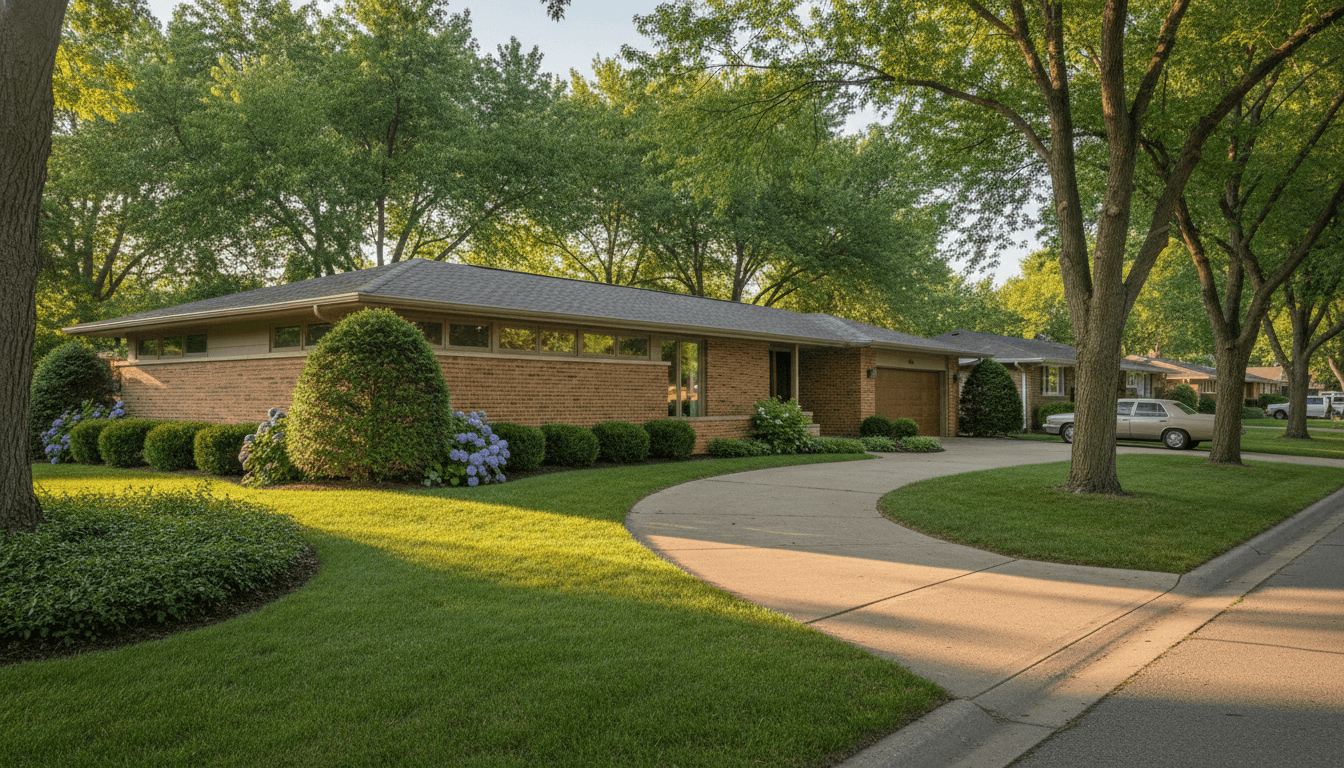
The 1950s to 1970s ranches that fill the townships have aluminum wiring in some cases, original cast iron drains, and crawlspaces with moisture issues. Radon is common across central Indiana, and a test for $150 to $250 should be standard; mitigation runs $800 to $1,800.
Suburban new construction has its own list. Grading and drainage problems, missing insulation, and rushed finish work show up regularly in builder inspections, and a buyer's own inspector at the pre-drywall and final stages is money well spent.
Jobs, Growth, and the LEAP District
The Eli Lilly expansion and the LEAP innovation district in Lebanon, in Boone County northwest of the city, are the largest economic development story in the metro. Thousands of construction and permanent jobs are landing in a county that was largely rural five years ago, and Lebanon, Whitestown, and Zionsville are absorbing the housing demand. Prices in Boone County have risen faster than the metro average and are likely to keep doing so.
The airport and logistics corridor on the southwest side, the life sciences cluster around downtown and the IU medical campus, and the continued growth of Hamilton County's corporate campuses round out the picture. Indianapolis is not a boom market, but the job base is broad enough to support steady demand.
The Forecast for the Rest of 2026
Expect metro prices to stay within a few percent of flat through the end of the year, with Hamilton and Boone County outperforming and the investor-heavy parts of Marion County lagging. Inventory should keep climbing gradually as more owners accept that sub-4% rates are not coming back and list anyway.
Mortgage rates remain the swing variable. A meaningful drop pulls sidelined buyers into competition for the same listings, and Indianapolis' affordability relative to bigger metros means that demand arrives fast when financing gets cheaper. If rates stay where they are, this is a market where patient buyers have leverage and sellers who price to current comps still move in a month.
Advice That Fits This Market
Buyers should get pre-approved, then shop the suburbs and Marion County side by side and compare the total monthly cost including taxes, HOA, and insurance rather than the list price alone. A $360,000 new build in Westfield with a builder rate buydown can cost less per month than a $300,000 resale in Broad Ripple.
Sellers should price to the last 90 days of sales, not the peak, and expect to negotiate on inspection items. Homes that are priced right and show well still go under contract in two to three weeks; homes priced with 2022 in mind sit and get reduced.
Buy when the payment works and you plan to stay at least five years. Our housing market coverage from metros around the country tracks the same questions city by city.
Frequently Asked Questions
What is the median home price in Indianapolis in 2026?
Marion County's median sits around $250,000 to $265,000. The broader metro median is closer to $300,000 once Hamilton, Hendricks, Johnson, and Boone Counties are included.
Is Indianapolis a buyer's or seller's market right now?
It is close to balanced. Homes take three to five weeks to go under contract, buyers have room to negotiate, and well-priced listings still sell quickly.
Are home prices going down in Indianapolis?
Metro prices are roughly flat year over year. The investor-heavy parts of Marion County have softened slightly, while Hamilton and Boone County continue to rise.
How much are property taxes on a home in Indianapolis?
Homestead taxes are capped at 1% of assessed value under the Indiana constitution, and 2025 legislation added further deductions. School referendums in some suburban districts add to the rate.
Where are the most affordable areas in the Indianapolis metro?
The far-eastside, far-westside, and south-side townships of Marion County have plenty of listings under $200,000. Hancock and Johnson Counties offer newer homes in the $300,000s.
Is the LEAP district affecting home prices?
Yes, mostly in Boone County. Lebanon, Whitestown, and Zionsville have seen faster price growth than the metro average as the Lilly expansion and related jobs arrive.