Market Analysis
San Jose, CA Housing Market 2026: Prices, Trends and Forecast
San Jose, CA housing market 2026: million-plus entry prices, tight supply, tech wealth demand, the condo vs single-family split, and what comes next.
San Jose, CA Housing Market 2026: Prices, Trends and Forecast
Nothing about San Jose real estate is casual, starting with the prices. The San Jose, CA housing market remains one of the most expensive in the country in 2026, and the forces that made it that way have only strengthened. Land is scarce, homeowners rarely leave, and the technology economy keeps minting buyers with serious purchasing power.
If you are shopping here, the sticker shock is real and so is the competition. Understanding how this market works, and where the exceptions hide, matters more in Santa Clara County than almost anywhere else. Here is where things stand as the year moves into fall.
Entry Prices Start Above a Million
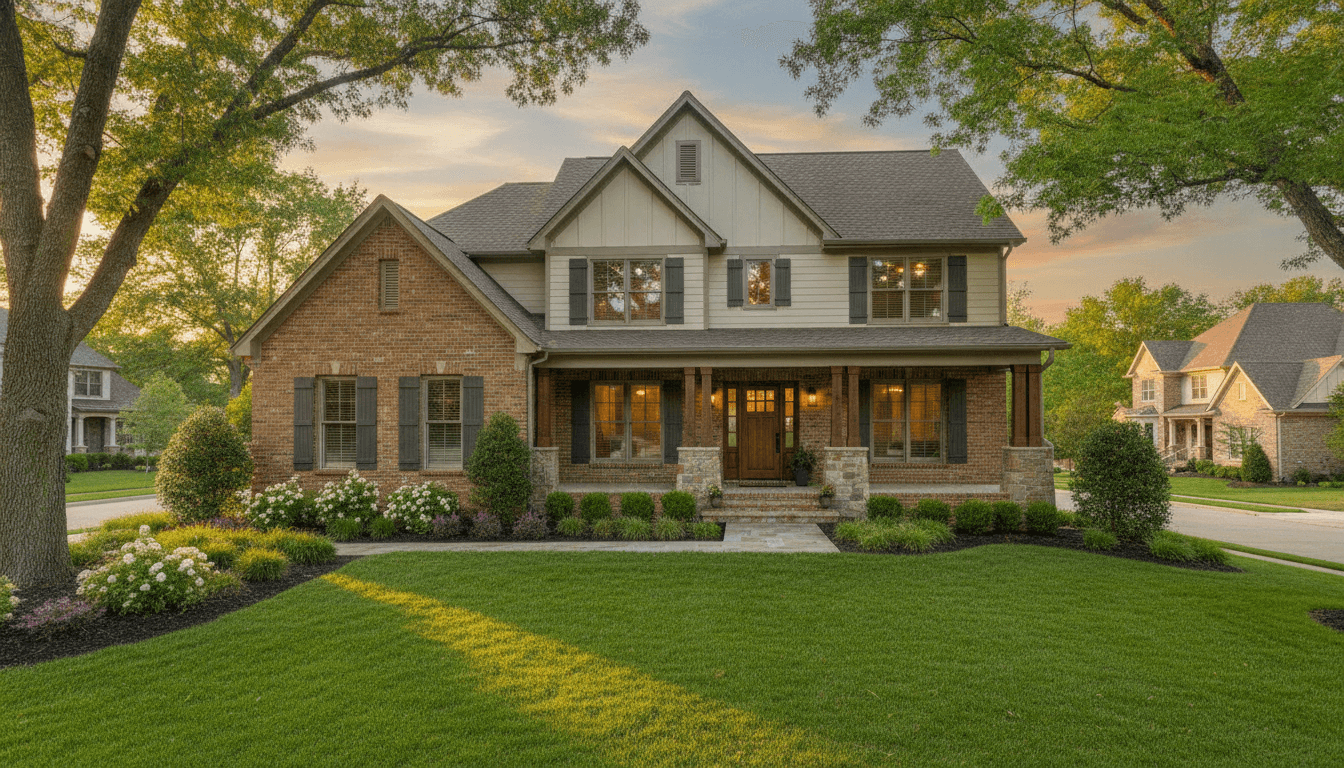
Median single-family prices across San Jose sit well above a million dollars, and in the west valley communities they climb far beyond that. Even modest ranch homes on small lots command sums that would buy estates in most of the country. Nobody local is surprised by this anymore, though newcomers often need a moment.
What a million-plus buys varies block by block. In some neighborhoods it means a dated home needing work, while in others it stretches to something renovated. Buyers coming from out of the area should tour widely before locking in expectations.
Property taxes and insurance stack on top of those prices, so the true monthly cost runs higher than the sticker suggests. Buyers relocating from lower-cost metros should build the full payment before committing to a price range.
Why Supply Never Loosens
Homeowners here have strong reasons to stay put. Many carry low property tax bases from decades of ownership along with mortgages locked in at pandemic-era rates, so selling means giving up both. The result is one of the lowest turnover rates of any major metro.
New construction cannot fill the gap. Buildable land is nearly gone, and most of what does get built is condos and townhomes rather than detached houses. Every year the single-family shortage gets a little more entrenched.
Inherited homes and long-planned retirements provide much of what little turnover exists. When one of those houses reaches the market in decent condition, it rarely lasts two weeks.
Condos and Houses Are Moving Differently
Detached homes and condos have split into two separate markets. Single-family listings in good school districts draw crowds and multiple offers, while condos take longer to sell and often close at or below asking. Rising HOA dues and insurance costs within associations explain a lot of that gap.
For buyers who cannot reach a detached home, the condo side is where the opportunity lives. Negotiation is possible, selection is better, and monthly HOA costs are at least predictable line items you can evaluate upfront. Just review the association's finances carefully before offering.
Townhomes sit between the two extremes. They trade closer to the single-family pattern when they include a yard or garage, and closer to the condo pattern when dues run high.
Tech Wealth Sets the Tempo
The AI boom has poured stock wealth into the region, and housing feels it directly. When large employers' shares run up, open house traffic climbs within weeks, and all-cash offers become more common at the top of the market. Down payments here often come from equity gains rather than savings alone.
This wealth effect concentrates demand on turnkey homes near the big campuses. Commute distance to major employers in Santa Clara, Cupertino, and north San Jose still moves prices as reliably as square footage does.
Well-Priced Homes Still Spark Bidding
A detached home listed at a realistic number in a popular neighborhood routinely draws multiple offers within the first two weekends. Agents here often price slightly under expected value on purpose to generate exactly that outcome. Overpricing backfires fast, even in a market this tight.
Buyers should walk into that dynamic prepared. Preapproval from a known lender, flexible terms, and quick decision-making separate winning offers from the pile. Losing two or three homes before winning one is a normal experience, and budgeting emotionally for that helps.
What the Rest of 2026 Should Bring
Expect the tightness to continue. Single-family prices look set to keep grinding higher while supply stays thin and tech employment stays strong. Condos should remain the softer, more negotiable side of the market into next year.
Rates matter less here than elsewhere. With so many purchases involving large amounts of cash, modest mortgage rate moves change the mood more than the outcomes.
The wild card is the stock market. A sharp tech pullback would cool demand quickly, while continued AI-driven gains would push more cash into housing. For context on how other expensive metros compare, see our other city market reports.
How Buyers Can Compete Here
Get your financing bulletproof before your first tour, and know your true ceiling including taxes and insurance. Consider condos, townhomes, and homes needing cosmetic work if the detached market keeps outrunning your budget.
Patience is part of the price of admission. The buyers who win in San Jose are usually the ones still standing after several rounds, with terms ready and paperwork done.
How Sellers Can Make the Most of It
This is one of the few metros where sellers still hold most of the cards, and preparation multiplies that advantage. Homes that are cleaned out, staged, and priced a touch under the comps consistently outperform. Rushed, cluttered listings leave money on the table even here.
Timing the listing around your own life beats timing it around the market. Demand in Santa Clara County stays deep enough that a well-prepared home finds its audience in any season.
Questions Buyers and Sellers Ask About San Jose
How much does a house cost in San Jose, CA?
Plan on well over a million dollars for a detached single-family home, with the west valley and top school district areas far above that. Condos and townhomes offer lower entry points, often in the high six figures.
Are condos a good buy in San Jose right now?
They are the most negotiable corner of the market, which makes them worth a serious look. Scrutinize HOA dues, reserves, and insurance before offering, since those costs affect both your payment and resale.
Will San Jose home prices keep going up?
The supply and demand math points that way for detached homes as long as tech employment holds. A major stock market downturn is the main risk that could pause the climb.
Do homes sell over asking price in San Jose?
Frequently, especially detached homes priced at or slightly below comparable sales. Deliberate underpricing to attract multiple offers remains a common listing strategy across Santa Clara County.