Real estate agencies
How to Choose a Listing Agent?
How to choose a listing agent: the questions that reveal competence, what to compare across two or three interviews, and the red flags that cost sellers money.
How to Choose a Listing Agent?
The agent you hire to sell your home will move your net proceeds more than any paint color or staging decision. Pricing, marketing, and negotiation all run through one person, and the gap between a strong listing agent and a weak one can reach tens of thousands of dollars on a typical sale.
Most sellers interview exactly one agent, usually a friend or the first name that comes up in a search. Talking to two or three instead takes about a week, and it gives you comparison points you cannot get any other way.
A $450,000 home that sells 4% under its potential price costs you $18,000. That is the stake, so treat this like a hiring decision: applications, interviews, and references.
What a Listing Agent Does That a Buyer's Agent Does Not
A listing agent works for the seller, and the whole job points at one outcome: the highest net proceeds your home can produce. That means pricing analysis, prepping the home for market, running a marketing campaign, filtering out weak buyers, and negotiating offers upward.
A buyer's agent runs the opposite play: finding homes, poking holes in them, and pushing prices down. The two roles reward different skills, and being good at one says little about the other.
Many agents do both, which is fine, but ask how their last twelve months of closings break down. Someone who closed 15 or 20 listings in a year has current pricing data, vendor relationships, and marketing systems that a buyer-heavy agent has to improvise.
Where to Find Agents Worth Interviewing
The best candidate pool comes from recent sellers, so ask neighbors who sold in the past year what their agent did well and what they would change. A referral from someone two streets over beats a national ad budget, because that agent has already priced homes like yours.
Open houses are a free scouting trip. You can watch an agent work a room, hear how they field pricing questions from strangers, and pick up a card without any commitment.
Round out the list with the names on sold signs near your home. An agent who closes regularly within a mile of your address walks into the interview with comparable sales knowledge the others would have to research.
Interview Two or Three Agents Before You Sign
Invite each candidate to walk the house and present a plan. You are comparing four things: pricing strategy, marketing plan, photography, and negotiation record.
Pricing strategy should rest on a comparable sales analysis, a written rundown of recent nearby sales with adjustments for condition, size, and location. In a Phoenix, AZ subdivision that might mean five near-identical ranch homes; for a Chicago, IL two-flat it might mean three sales across two neighborhoods. Either way, the agent should defend the number with closed sales, never with active listings that have yet to prove anything.
The marketing plan should be specific and in writing: which portals the listing feeds, whether photography is professional or a phone camera, video and floor plans, the open house schedule, and what happens in the first seven days. Vague promises to get the home "out there" are a pass.
Photography deserves its own line of questioning because buyers see the photos before anything else. Ask to see the last three listings the agent shot, on your own phone screen, and judge them the way a buyer would in a thirty-second scroll.
Take notes on logistics as well: how fast each agent confirmed the appointment, whether they arrived on time, and whether they researched your home before walking in. The interview is a free sample of the service.
Close each interview by asking about the last deal where the agent represented a seller against multiple offers. The story they tell, and how specific it gets, reveals more than any brochure.
The Questions That Reveal Competence
Three numbers cut through a listing presentation fast: average days on market, list-to-sale price ratio, and listings closed in the past year. Agents who track their own numbers answer instantly, and agents who fumble are telling you something too.
Days on market only means something against the local average. If homes in your area sell in 25 days and the agent's listings average 55, the pricing or the marketing is off, and you would be paying to find out which.
List-to-sale price ratio is the sharper tool. An agent averaging 98% to 100% of list price is pricing homes correctly, while an agent averaging 92% is overpricing and cutting later, which costs sellers both money and time.
Finish with process questions: how they handle multiple offers, whether they call every buyer's lender to pressure-test financing, and how often you will hear from them. "Every Tuesday, in writing" is a better answer than "whenever something happens."
The Commission Conversation
Since the 2024 industry settlement, commission gets negotiated in the open. Your listing fee is set between you and the brokerage, and any money offered toward the buyer's agent is a separate, deal-by-deal decision rather than a default published for other agents to see.
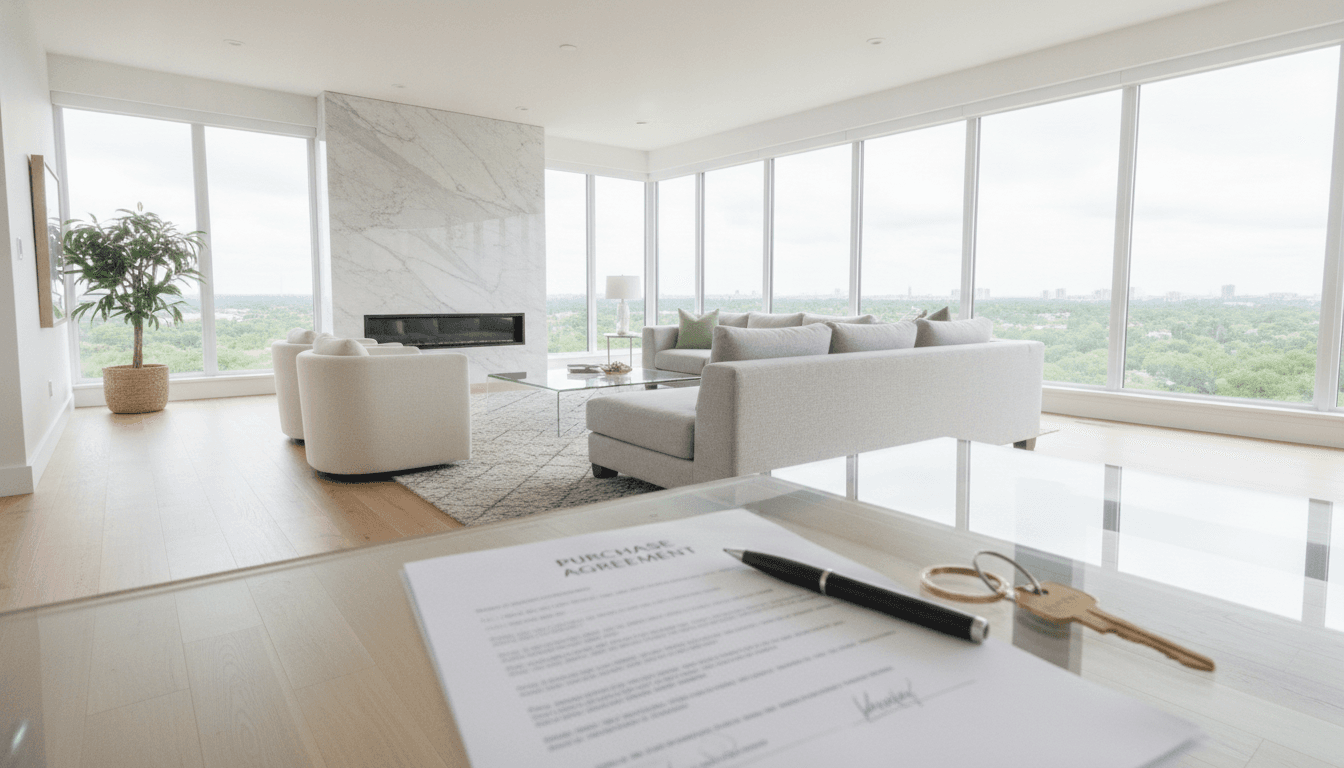
Get every number in writing before you sign: the listing fee, what the agent recommends offering the buyer side and why, who pays for photography and marketing, and what canceling costs. A one-page addendum now prevents a closing-table argument later.
Ask one more question while the paperwork is out: what happens if the agent brings the buyer themselves. Some brokerages reduce the fee in that situation, and you want the answer in the agreement rather than decided in the moment.
Compare fees against the plan attached to them. An agent charging a point more who brings professional photography, staging help, and a record of full-price sales can net you more than the cheapest quote in the pile.
Red Flags That Should End the Interview
The oldest trick in the business is buying the listing: quoting a price $30,000 above what the data supports so you sign, then walking you down once the home sits. If one agent's number is far above the other two, ask them to defend it with sold comparables, sale by sale.
Part-time agents are a risk you do not need to take. Listing work is time-sensitive, and an agent who returns calls after their day job will miss buyers' agents, appraisers, and inspectors working normal hours.
Watch the small stuff during the interview phase. Slow replies, rescheduled appointments, and vague answers before you sign are the best behavior you will ever see from that agent, because right now they are still courting you.
Guarantee gimmicks deserve a hard look too. A "sold in 30 days or I'll buy it" pitch usually hides a below-market purchase formula in the fine print, and it tells you the agent leads with marketing hooks rather than pricing skill.
The First Two Weeks Tell You Whether You Chose Well
A new listing gets its best traffic in the first 14 days, when portal algorithms and saved-search alerts put it in front of every active buyer. Photos should be live on day one, showings should start immediately, and feedback should reach you within a day of each showing.
Benchmarks help here. A correctly priced home in an average market draws showings in week one and serious interest by week two; if yours draws neither, a good agent shows up with data and a plan, usually a price adjustment, before the listing goes stale.
Good reporting has a shape: showings this week, feedback quotes, online view counts against the area average, and the plan for next week. One page every week beats a phone call whenever the agent happens to remember you.
If your agent goes quiet the moment the sign goes up, the choice was wrong, and the fix is faster than most sellers expect. Listing agreements can include cancellation terms for exactly this reason, and the selling guides on our blog cover how to reset a stale listing without losing more momentum.
Frequently Asked Questions
How many listing agents should I interview?
Two or three is the sweet spot. One gives you no comparison, and past three the presentations blur together; a single week of scheduling usually covers all of them.
What is a good list-to-sale price ratio?
In a balanced market, 97% to 100% of final list price is a healthy range. Numbers consistently below that suggest the agent overprices listings and relies on cuts to sell them.
Should I pick the agent who suggests the highest price?
No. A suggested price is an opinion until closed sales back it up, and the highest estimate often comes from the agent trying hardest to win your signature. Ask each candidate for the three sold homes that best support their number.
How long should a listing agreement last?
Three to six months is standard, and shorter terms keep the agent accountable since you can always extend. A 12-month exclusive with no cancellation clause leaves you without leverage if the marketing stalls.
What does a listing agent cost after the settlement?
Listing-side fees commonly run 2.5% to 3% of the sale price, and all of it is negotiable. Anything offered toward the buyer's agent is a separate line you decide with your agent, deal by deal.