Housing Market in Dallas, TX – 2026 Buyer Snapshot
The Dallas, TX housing market sits near a $425K median, with homes averaging 46–64 days listed. Learn what buyers pay by property type and how commutes compare.
Buying in the Dallas, TX Housing Market: What to Know in 2026
The median home price in Dallas, TX currently sits around $425,000. Buyers entering the Dallas, TX Housing Market in 2026 face a landscape defined by steady demand and moderate inventory.
Interest rates and local job growth continue to shape buyer purchasing power. Active inventory levels hover between 2.5 and 3.9 months of supply, keeping conditions slightly tilted toward sellers. Buyers should prepare their financing early to compete for well-priced properties.
Many neighborhoods inside the Interstate 635 loop see multiple offers on move-in ready properties. Condominiums and townhomes offer lower entry points for those priced out of detached single-family homes.
Data from the National Association of Realtors indicates steady transaction volumes throughout the spring. Working with a knowledgeable real estate agent helps buyers interpret these daily shifts in available inventory.
National real estate trends often mirror what happens in major Texas hubs. Buyers relocating from out of state, particularly from California, frequently find the local median price more accommodating than their previous markets.
Current Trends in the Dallas, TX Housing Market
Recent data shows median prices in the city range from $311,957 to $425,000, depending on the neighborhood and reporting source. This represents a stabilization compared to the rapid price growth seen in 2024. Buyers can expect to view a consistent flow of new listings each week.
A formal real estate appraisal remains a required step for anyone securing a mortgage. The appraisal protects the lender by ensuring the property's valuation aligns with the agreed-upon contract price. Buyers utilizing government-backed loans will also need the property to pass specific condition requirements during this phase.
Information published by platforms like Redfin and Realtor.com highlights a shift toward more normalized market conditions. Buyers now have slightly more time to review property disclosures before submitting an offer. Sellers are also becoming more receptive to standard inspection contingencies.
Available properties spend an average of 46 to 64 days listed before going under contract. Homes priced accurately for their condition usually secure a buyer closer to the 45-day mark. Properties requiring major repairs often sit longer than the two-month average.
Some sellers offer concessions to help buyers offset higher borrowing costs. These negotiations frequently involve the seller paying for a temporary mortgage rate buydown or covering a portion of the buyer's closing costs. Buyers should ask their agent to review recent comparable sales to see if concessions are common in their target zip code.
Following local Dallas, TX Housing Market news helps buyers anticipate seasonal shifts in inventory. More homes typically hit the multiple listing service during the late spring and early summer months. This seasonal bump in listings gives buyers more options but also brings out more competing offers.
What Buyers Pay by Property Type
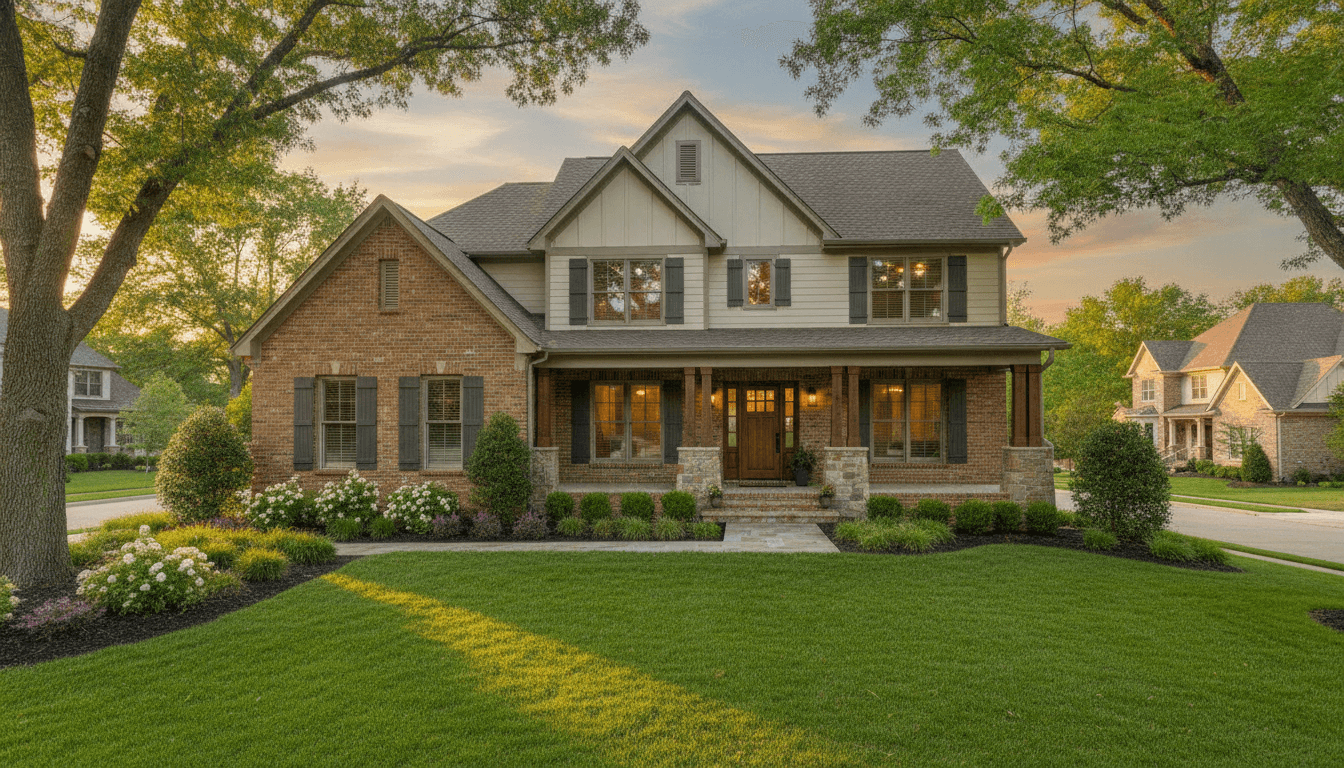
The type of home you choose dictates your entry price and ongoing maintenance costs. Detached single-family homes in popular Dallas, TX suburbs and the city core command the highest premiums. Buyers should factor property taxes and homeowners association dues into their total monthly payment.
Attached housing options provide an alternative for buyers focused on location over lot size. These properties often include shared amenities and exterior maintenance covered by monthly fees. Lenders will include these association fees when calculating your debt-to-income ratio during underwriting.
Condominium associations often restrict the number of units that can be rented out at any given time. This owner-occupancy ratio impacts whether a buyer can secure a conventional loan or an FHA insured loan for the unit. Buyers should verify these ratios early in the research phase.
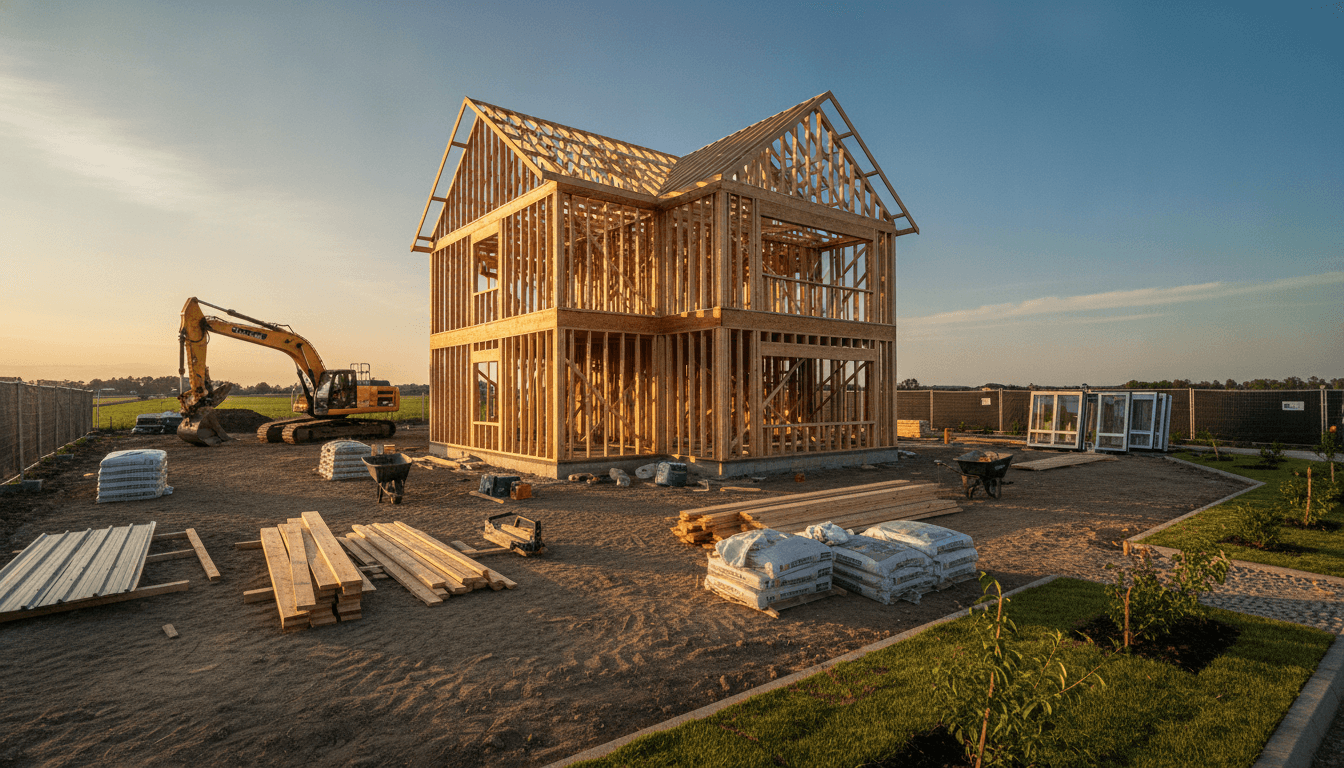
New construction homes provide another avenue for buyers willing to wait for completion. Builders often offer incentives, such as buying down the interest rate on a mortgage, to move their completed inventory. These builder incentives can make a new home more affordable than an older property requiring immediate updates.
Buyers should also budget for property insurance, which has seen premium increases across the United States. Gathering quotes early in the escrow process prevents unexpected changes to your final monthly payment. Current pricing across different property styles generally falls into three main categories:
- Single-Family Homes: Detached properties average near $425,000, with established northern neighborhoods often exceeding this baseline.
- Townhomes: These multi-level attached properties offer a middle tier of pricing, frequently ranging from $300,000 to $380,000.
- Condominiums: Condos provide the most accessible entry point, with many units available under $250,000.
Daily Commutes and Highway Access
The average one-way commute for Dallas, TX residents takes about 29 to 30 minutes. Most professionals rely on personal vehicles to reach major employment centers in the downtown core or northern suburbs.
Traffic patterns vary depending on the specific highway and time of day. Drivers frequently use US Highway 75 and Interstate 635 to cross the metropolitan area. The Dallas North Tollway serves as another primary artery connecting the city center to northern communities.
Public transit offers an alternative for residents living near established stations. Dallas Area Rapid Transit operates an extensive light rail and bus network throughout the city and surrounding suburbs. Commuters utilizing this system can bypass highway congestion entirely during peak travel hours.
The Trinity Railway Express links the downtown core to neighboring Fort Worth, TX, easing the burden on Interstate 30. This rail line serves professionals who live in one city but maintain employment in the other. Buyers should test their potential drive from a new neighborhood during rush hour before submitting an offer.
Public Amenities and Regional Healthcare
White Rock Lake offers over 1,000 acres of parkland and a nine-mile trail system favored by local runners and cyclists. Closer to downtown, Klyde Warren Park spans a recessed freeway to provide green space and daily food truck service. Access to these outdoor spaces influences property values in adjacent neighborhoods.
The city maintains hundreds of neighborhood parks equipped with sports fields, tennis courts, and shaded pavilions. Access to these public green spaces remains a common priority for buyers reviewing different zip codes. Properties located within walking distance of major parks often sell faster than comparable homes further away.
Multiple independent school districts serve the immediate area, with Dallas Independent School District covering the majority of the city. Richardson Independent School District serves portions of North Dallas, TX and is frequently researched by incoming buyers. Property tax rates vary slightly depending on which district boundaries encompass the home.
The region supports several major medical centers and specialized clinics. Parkland Memorial Hospital serves as the primary public healthcare facility for the county. The adjacent University of Texas Southwestern Medical Center provides extensive research and specialized medical care options.
Medical professionals often seek housing near the Southwestern Medical District to minimize their daily commute. Proximity to these major employment centers keeps surrounding property values relatively stable. Consistent employment in the healthcare sector provides a strong economic foundation for the local real estate market.
Frequently Asked Questions
Are home prices dropping in Dallas, TX?
Median prices have stabilized rather than dropping sharply across the metro area. While some individual sellers reduce their list price after 45 days, overall median values remain near $425,000. Buyers can find occasional discounts on homes requiring immediate repairs.
What credit score do I need to buy a home in Texas?
Most conventional lenders require a minimum credit score of 620 to secure approval. Buyers utilizing an FHA insured loan can often qualify with a score of 580, provided they meet other income requirements. Maintaining a strong credit score in the United States secures a better mortgage rate, lowering your total monthly payment.